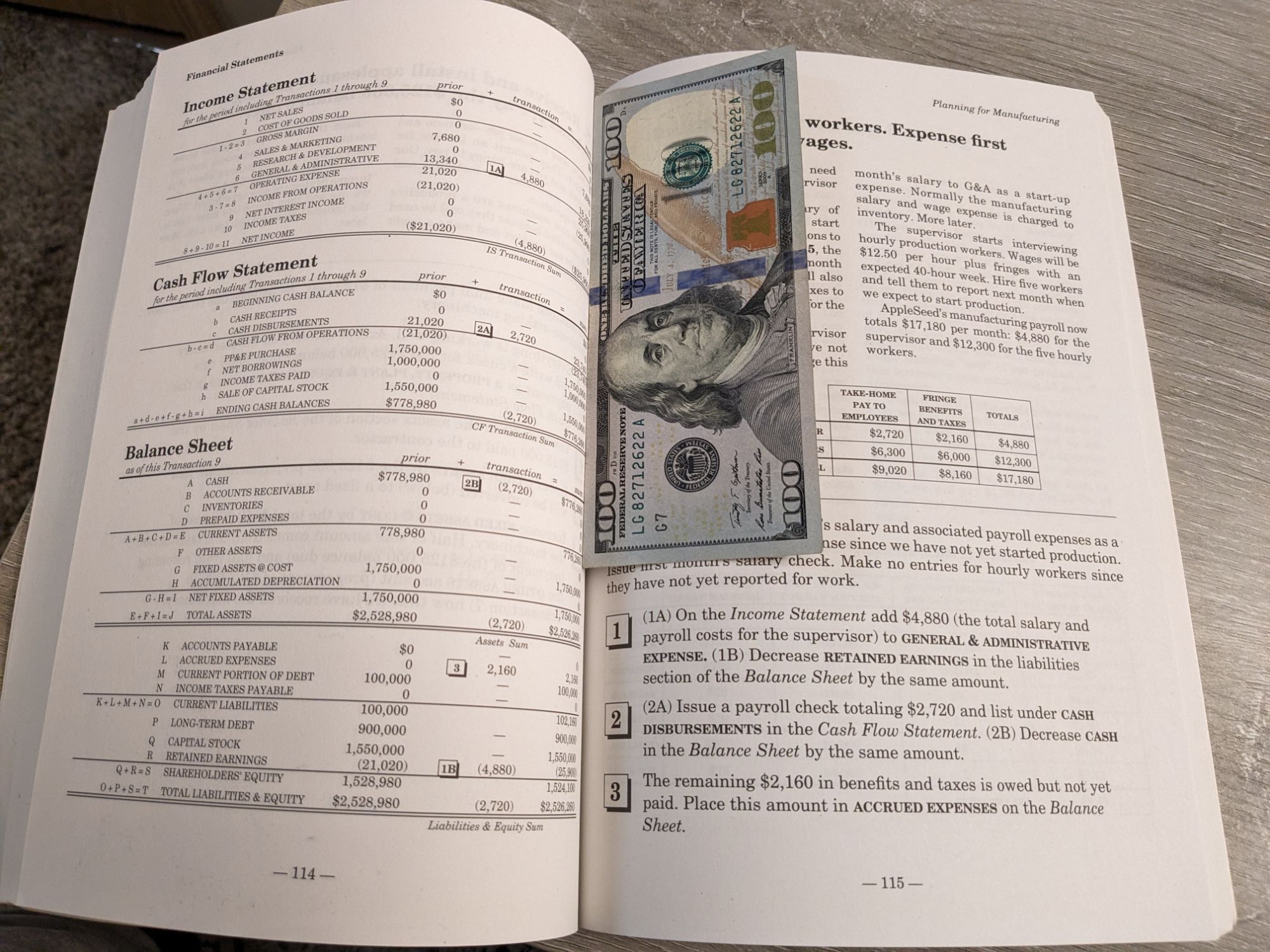


I find myself asking this question as I tap into savings for groceries once again this month just like the previous month.
Yet, each month I put $300 back into savings because I learned years ago that through this habit I will find a way to keep as much as the $300 in savings as possible.
So when should you start saving money?
The first best answer is yesterday, the next best answer is today, even if it is as minimal as $5 because saving money starts with the habit. Not the nominal amount. It doesn’t matter if you have $500 left in disposable income end of month if you don’t have the habit to hold onto it.
Asking how much you should save each month is often the wrong question especially for those of us with lower incomes, instead the question one should be asking is how often should I save and when?
The answer to that question is going to depend on personal factors such as income, expenses and honest reflection of what you are willing and not willing to live without.
For some people the enjoyment of a takeout meal 2x weekly is a non negotiable because it helps with their mental health, but they can see themselves giving up nights at the bar with friends, and that is where the saving happens.
Find your non-negotiable and budget it into your expenses. Then find the negotiable that you can live without, like going to that fancy restaurant your friend always wants to go to, the fancy restaurant that you don’t care about because the food isn’t appealing to your taste buds or wallet.
Don’t fall into the trap of saving just to save
I have fallen into this trap myself. Write down the reasons you’re saving or code name your bank accounts.
For example capital one accounts allow you to nick name your bank accounts, so one can be emergency fund, another can be a clothes fund, etc.
I always recommend saving for an emergency fund first, but if saving for a clothes fund gets you into the habit of saving sooner I won’t stand in your way.
Knowing your ‘why’ behind the reason you are saving can help during moments of tempting impulse purchases.
Most importantly, save for one fund at time, the process should be simple and not overwhelming.
An example of that would be setting a goal amount for each fund, so $1000 for emergency fund, $300 for clothes fund. Then choose just one fund to fully fund and then move onto the next one. (Remember adjust the amount to match your personal matters.)
What if you can’t save or save enough?
Don’t feel bad. Remember for every dollar you save there is someone who isn’t able to save a single dollar due to the current economy and their personal financial matters such as living to check to check.
With that said, an easy way to find out if you’re either in the group of not being able to save or if you’re unable to save enough for yourself is by doing the following.
First go over your budget and expenses, find your non negotiables that need to be paid or your life falls apart. Non negotiables are rent, electricity, gas, water, heating, phone, car, car insurance, food, all these things are things that you need to have your life together.
Your financial needs might look different than someone else’s. If you’re someone like me who takes the bus for transportation and water and sewage is included in your rent then your expenses are going to look different, than with someone with a car, and car insurance.
Remember that personal finance is just that, personal.
Once you find the bills that need to be paid, now go through your bank statement over the last couple months and see where you spent money that was unplanned.
This could look like unplanned grocery store trips, those random $10 to $5 items or bakery splurges.
Print out your statements so you can circle each one of them. Scrolling on a computer screen will disconnect you from the actual process. But circling each unplanned or needed expense will allow you to get a feel for how much you are spending.
The purpose here is not to judge yourself. It is for you to get an understanding of your finances and spending habits.
Then once you have circled all those random unplanned expenses, be honest with yourself about which ones you really needed and have contributed to lasting happiness.
In this context, the word needed means, you had a bad day at work, at school or at home and you needed to get out and buy yourself that $20 Pad Thai take out to soothe your nervous system.
Those splurges, sure, I believe those ones are within reason depending on how often they are and whether they are setting you back in a cycle of financial stress or not.
As mentioned earlier, it’s okay to include these things into your non negotiables but within reason set a weekly budget or a monthly budget.
Often times I have found it to be the case that a great percentage of us can save more times than not, it’s just prioritizing our expenses and personifying the nominal amount in which we save.
There will always be a reason not to save money
Inflation. The economy. Personal matters. Life. Stress. And many more. If you look for an excuse or way out, you’ll always find one. Often times the greatest things we can do for ourselves isn’t during ideal times.
It’s one thing if you make less than what is needed to survive. I have been there before, it’s not easy and I didn’t save a single dollar during those times.
However this is written for those who make enough for their living and still have enough left over even if it’s a few hundred bucks.
Lastly, how to budget and save money as a college student?
If you’re a college student like me, you might have leftover pell grant, federal grant or scholarship money and think you’re on cloud nine.
But remember, saving what you can today allows for a better tomorrow.
Don’t ever fall into the mistake of running someone else’s financial race. Meaning don’t try to keep up with consumption of those around you nor try to keep the same balance sheet.
If you’re given $2000 in grant money after all tuition is paid but you want to splurge on new clothes, take a budget from it but don’t over do it.
Personalize savings and you’ll find that the more you do it the easier it gets.
It becomes a game to see how much your account grows even if what you are able to put back fluctuates each month. Build the habit.
The rest will follow.
Finally, as a college student it really is important that you get secure with the FOMO and putting your wants ahead of what the rest of your classmates and society is doing.
It doesn’t matter if your classmate is going out to Starbucks for breakfast and McDonald’s everyday for lunch.
That life might be enticing but if your goal is to save money and put some back, it’s important to recognize that everyone has different goals and are in different phases of life.
The sooner you become aware of that the easier it will be to stick to your personal goals when others around you are doing the complete opposite.
Update 4/27/24 I wrote an article about unlearning the behavior when it comes dipping into savings for groceries. It’s about unlearning this certain behavior stemming from poverty mentality that hinders financial growth.
 The Broke College Student
Leave a comment