
How did we get so entitled? I came across this question on a popular financial blog in the personal finance realm, and it prompted me to reflect on how our standards of living have gradually consumed us over time. Can we solely blame ourselves?
The answer is both yes and no, but delving deeper into it requires thorough exploration.
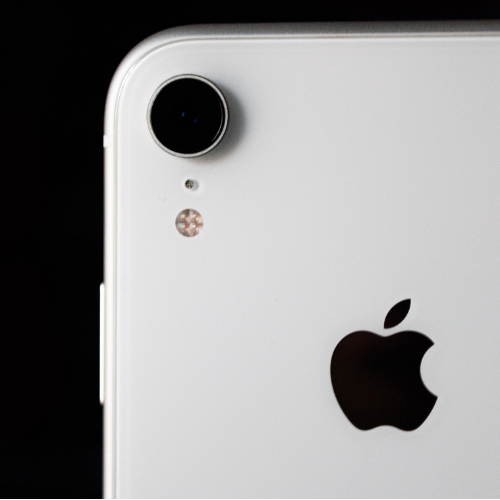
So, how did we become so entitled? At one point, we were sold a lie. This lie convinces us that we need every latest gadget in the tech world—whether it’s the newest iPhone, the trendiest Smart TV, or the latest earbuds that enhance our MacBook experience. It seems we’re conditioned to believe we must have it all, right?
However, that perspective misses the mark. We don’t actually need all these things. Over the past few years, especially with inflation, many of us have realized just how unnecessary these items are. Yet, as circumstances force them out of our reach—not by choice but due to financial strain—we begin to feel entitled to them.
Perhaps not everyone, but a significant number of us are frustrated because we can no longer afford these luxuries we once cherished, like the latest Alexa or Google gadgets that make our homes feel futuristic. It’s reminiscent of ‘The Smart House,’ a Disney Channel movie I remember from childhood where every kid dreamed of having such technology, until the AI, named Pat, became a bit too intimidating.
The crux of the matter is this: it’s one thing to forego these items by choice, but it’s entirely different when they are taken away due to inflation eating into our paychecks. However, instead of seeing this as a negative, it’s an opportunity to reflect on distinguishing between actual wants and needs.
Does the Entitlement of Consumerism Fall Squarely on Our Shoulders?
But are we solely to blame for this? Not entirely. Under our capitalist system, we’re constantly told that for the economy to thrive, people must spend. Remember during the pandemic shutdowns? There was widespread concern because people weren’t spending, and American savings rates soared higher than they had in years.
However, once everything reopened, money flooded back into the system, contributing to the inflation we’re experiencing now. Some of this is due to inflation, but some of it is undoubtedly due to corporate greed, which has gone unchecked for a long time.
So, how do we move away from this? Should we revert to a Great Depression-era lifestyle of bare minimums? It’s unclear if that would even be feasible in today’s world. However, I do believe we are overestimating our needs.
Personally, I have a modest lifestyle—I’ve owned the same pair of shoes for years. Recently, bought a new pair and I’ve considered buying a second pair because my previous ones were so worn out with the grip gone off the bottom and a hole starting to develop on the top – not enough to expose my socks yet, thankfully, but it was to the point here rain got in.
I’m considering buying a second pair of the same brand and style. I actually had an experience like the character Howard from the movie Jingle All the Way, trying to get my hands on the new pair of shoes I just purchased. Similar to how Arnold Schwarzenegger’s character Howard is searching for the hard to find Turbo-Man doll, instead it was me searching for my favorite pair of shoes because they’re not the recent released editions so stock has become limited.
I’m also someone who has had an LG phone since 2020. Before that, I had another phone since 2016, and the one before that lasted me for 5 years. LG no longer even makes phones. If it were up to me, I would keep the same phone for 10, 20 years.
As you can see, I personally don’t think you need much. I may be outdated, but I prefer to invest what I can now and hopefully live a better life in the future.
But back to the point, how do we get away from feeling like we need these things? That’s hard because everyone around you influences your decisions, whether it’s corporations or coworkers who subtly influence you to join the latest iPhone conversation.
It’s tough, but the truth is we have to dial back our entitlement and take ownership of our finances. We need to realize that these corporations are not our friends; they’re there to make money. If they can sell you something you don’t need, they will in a heartbeat, even if it means taking money out of your kids’ mouths.
That’s just the reality because our economy runs on people spending money.
As an investor, I’ve already written about my own conflicted thoughts about participating in this cycle. My investments don’t grow if you don’t buy the latest iPhone or the gadgets you need to make your MacBook work. I’ll post a link here where I talk about that.
I’ll be the first to admit that life isn’t always easy, and sometimes you feel like you need to go out and buy something to make yourself feel better, especially during stressful times. It’s easy to fall into the trap of saying, ‘I’ve worked hard, I want to celebrate,’ or ‘I deserve this; why shouldn’t I spend my hard-earned money on something that makes me happy?’
But that’s where it gets dangerous because it leads to a cycle of continuous spending over time. Life will always have ups and downs, and there will always be some level of stress, so there has to be a better way to handle things.
Accepting Personal Responsibility Where We Can
It’s important to acknowledge the entitlement we sometimes give ourselves—not to say we don’t deserve nice things or shouldn’t work for them, but if we’re complaining about not affording luxuries like Starbucks coffee or the latest gadgets, those aren’t basic needs. A simple smart TV would suffice over the latest futuristic TV, and a reliable car to get you from point A to point B is sufficient. Opting for public transportation in cities areas is often adequate.
Realizing that sometimes returning to the basics, akin to those who lived through the Great Depression, helps curb entitlement. As you simplify your lifestyle, you recognize when you’ve fallen into the trap or become a victim of the cycle of consumerism.
Understanding Generational Expectations and Financial Realities
Young adults and college students are susceptible to this way of thinking as well. They grow up seeing a certain lifestyle that their parents can afford, and they expect that once they leave home, they should be able to afford these same luxuries—like the daily coffee their parents bought them, or the smart TV and cable subscriptions their parents had (though let’s be honest, younger generations often prefer streaming services over cable).
The point is, their parents probably worked hard and saved to afford these things, or fell to the cycle of consumer debt. Either way young people often assume they should have these things right away, without realizing the time and effort it took their parents to attain them.
I’m not saying it’s easier for any generation or that there aren’t complexities involved, but the fundamentals remain the same. We have to work our way up to afford these things, not expect them to be our standard of living from the start.
Taking a step back and understanding our own personal responsibility, as well as how the system actually operates, is crucial in recognizing our entitlement and understanding our role in it, as well as society’s role.
And by doing so, we can learn to take more control of our finances, live within our means, and avoid feeling the need to possess certain things to validate our status within a specific class structure.
 The Broke College Student
Leave a comment