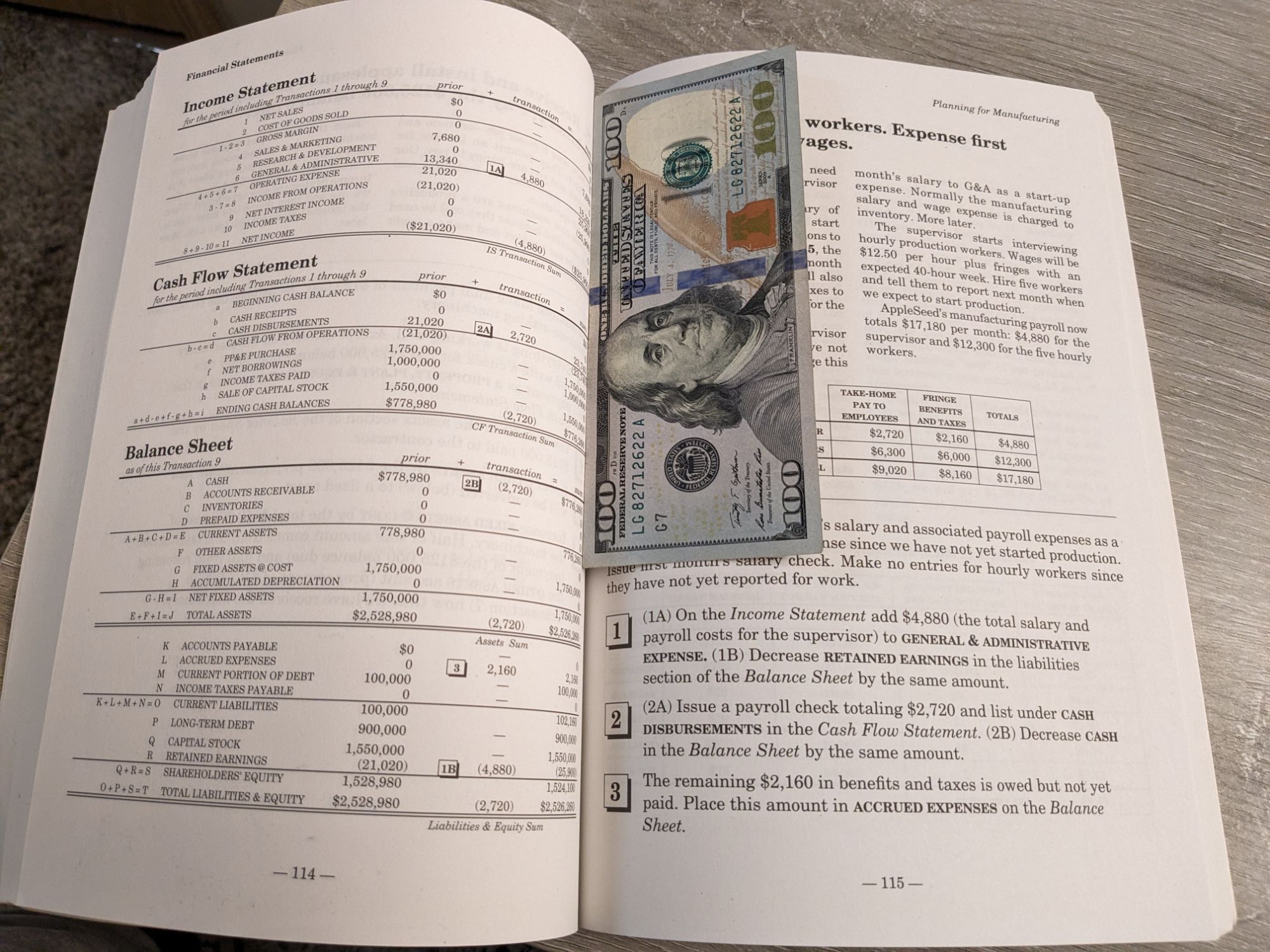

I bought my first copy of One Up On Wall Street back in 2020. It took me until this year to read through it.
It’s funny how foreign a language like investing can sound at first which was the first reason I put the book down. But years of personal experience and research of my own I found myself picking it back up and enjoying the heck out of it.
I am on page 219 right now and have been for the last month since last month since college had started. Psychology gets a good jab from people but the amount of reading is brutal allowing no time for me to read outside of school.
However, here is what I was able to take away from Peter Lynch’s One Up On Wall Street to help me build my investment fund from scratch.
Invest in what you know
Don’t make the mistake that Wall Street guys and gals know more than you. Your best investment might be sitting right in front of you. You could be walking past it every day.
For example my city just finished construction on a light rail in the downtown district last summer and it wasn’t until a couple months ago when I went to tap my orca card I noticed a company name on the tap machine.
Init which I found to be a German company and an investment that I wanted to be apart of considering their expansion of government contracts within the US.
If a stock is being hyped chances are you are too late
If you see articles hyping up a certain stock, influencers and YouTube videos, and perhaps even Jim Cramer talking about it, chances are it’s too late to get in at a decent price. Often, the stock is propped up on speculation, and the fundamentals are ignored.
Even if the fundamentals are great—take a company like Disney, for example—if everyone is hyping it up, you’re going to see it shoot to the moon.
What’s likely to happen is that you’ll get in at the top, and when things start to rebalance, you’ll be stuck holding the bag. This means you’ll have a big loss in your portfolio because you bought at the peak of the hype.
The second best often fails, so don’t fall victim to it
Take, for example, Nvidia and how it exploded onto the scene. Anyone who wasn’t part of the buildup missed out on a nice gain. However, this is where people tend to fall into the trap of the second pitfall, which is thinking, “I’ll catch the next company, the next microchip company,” and they invest all their funds into these companies they think will be the next Nvidia.
This often doesn’t happen, and people lose money. Technology changes so fast that by the time a company comes onto the scene, there’s already a company focusing on the next big thing.
Understand that even your favorite legendary investors lose money or miss out on gains.
Throughout the book, Peter Lynch talks about how he’s missed out on certain companies and has also lost money by riding a stock loss all the way down. The number one rule that Warren Buffett talks about is to not lose money, but that doesn’t mean you won’t lose money. He’s lost money, and a lot of legendary investors have lost money. The goal is to make sure that doesn’t happen frequently.
It’s important to trust your own instincts and not get emotionally involved with stocks.
You want to think methodically and logically. This doesn’t mean you won’t have personal sentiments about a certain company—like for me, I love Disney and think it’s a great family company—but you can’t lose sight of the fact that it’s a company. It has to produce results for your investment to make sense.
Another important lesson is the value of patience and long-term thinking in investing.
Investing isn’t about making quick profits or jumping on the latest trend. It’s about finding solid companies with strong fundamentals and holding onto them for the long term. This approach allows you to ride out market fluctuations and benefit from the company’s growth over time. Patience and a long-term perspective are crucial for successful investing.
When you invest in a company, think of yourself as a part-owner of that business. This mindset shift can help you focus on the company’s performance and long-term prospects rather than short-term market movements. It’s not about timing the market but time in the market.
There is importance in understanding the businesses you invest in. If you can’t explain what a company does or how it makes money, you probably shouldn’t invest in it until you do some more research. This understanding helps you stay confident in your investments during market downturns and avoid panic selling.
Finally, remember that investing is a journey, not a destination. You’re going to make mistakes along the way, and that’s okay. Learn from them, adjust your strategy, and keep moving forward.
The key is to stay informed, be patient, and stick to your investment principles and learn as you go while collecting your own insights from the world of investing and then applying them to your financial future as you see fit.
 The Broke College Student
Leave a comment