
Yesterday I walked by McDonald’s after picking up a hot deli lunch at Walmart for the first time. I had gone to grab a pair of new sweatpants. The weather is changing, and it’s getting colder. I also found my stomach growling, so I picked up a couple of BBQ pork sandwiches and a Nathan’s hot dog for the teen and I to try.
Both were good, and I thought they were better affordable options than McDonald’s. The sandwiches were $2.50 each and the hotdog was $1.50 Still, the McDonald’s near my local Walmart is always busy. The drive-thru often has a long line. Inside, it is often empty although open.
Ever since COVID, I have noticed some fast food restaurants no longer operate their lobbies and instead opt for drive-thru sales. At first, you would think this would cause them to lose money. Many customers who walk and don’t own a car or drive argued at first this could be the case including myself.
However, on second thought, there are more customers who own cars than don’t, and the McDonald’s closer to my apartment has had their lobby closed since March 2020 and has never opened it back up since. I don’t blame them now that I look back at how most of the seats were taken up by homeless addicts ( not everyone who is homeless is an addict), causing paying customers to leave the lobby. The smell wasn’t exactly great either. This isn’t to be rude; it’s just stating facts.
Now, when it comes to stock ownership, think about what I just said about the drive-thrus always being busy. Imagine the next day you wake up and see that your portfolio is down on your McDonald’s investment. What would be your first instinct? To sell? To hold? To buy at a discount if it goes below your cost basis? Most are going to sell in fear.
Some will hold, and others will buy from those who sold out of fear. Why would someone buy while the stock is falling? Because McDonald’s is still selling hamburgers regardless of the share price. The drive-thrus are still bustling with paying customers. Children are happily screaming for their Happy Meals. Workers from nearby businesses on lunch break are grabbing burgers, fries and cokes.
Just because the stock is falling on a given day doesn’t mean the business itself is failing. You can take this same view of ownership and apply it to Walmart. The one near my home is always packed, so much that the lines are often long. Yet, if the stock fell tomorrow, some people would panic and sell out.
The same with Coca-Cola. Today, the teen finally found what he had been wanting to try—the mash-up of Oreo and Coca-Cola flavored soda. I had a coupon and was able to get the mini 6-pack on sale for him. I also had another coupon and got him the Oreos. He owns both companies in his portfolio.
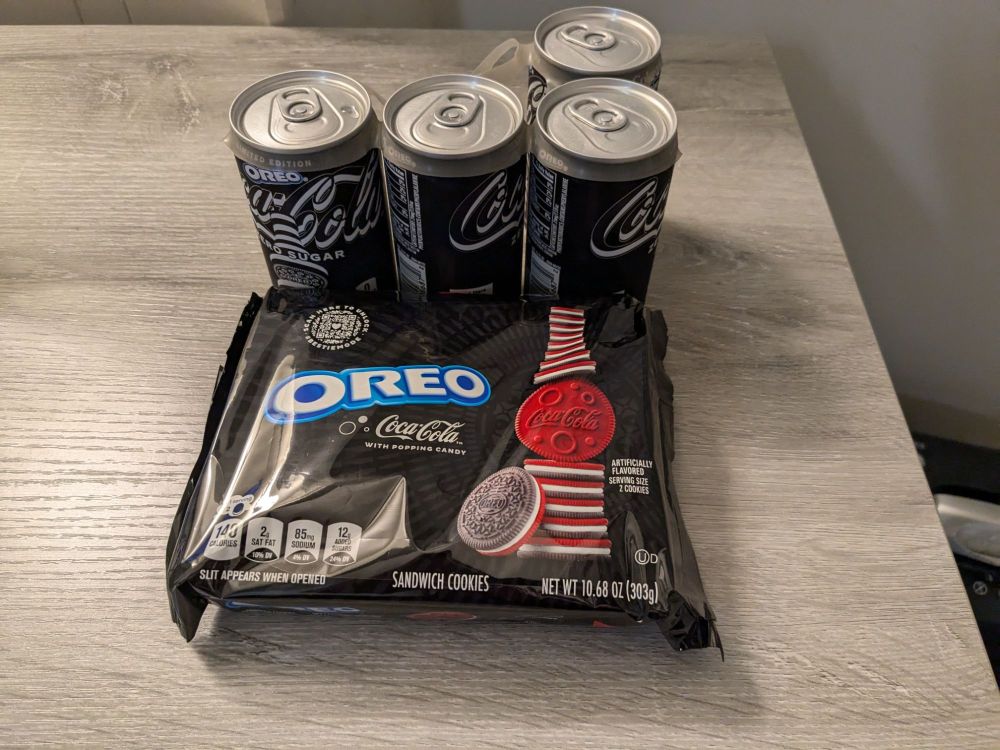
It’s only right that he wanted to try the collaboration between the two. And he knows that if either stock fell, it’s an opportunity to buy either company at a better share price. When it comes to stock ownership, you are an owner of a business.
That is the appropriate way to handle your portfolio if you own individual stocks. Forget the stock price. It is only there for you to take advantage of a great price for a quality business or to ignore when it is being unreasonable.

Take Nike, for example. It has fallen to $78.40 as of today, down from $106.55 on January 2nd, 2024, and yet Nike is still Nike, still producing shoes and apparel and dealing in endorsements with top athletes. In fact, I own one pair of shoes. I get the same pair every time—Nike Air Zoom Pegasus Running Shoes.
As someone who puts miles on my feet from not owning a car, I don’t mind spending 100 bucks for a pair of them. I always see people wearing their Nike and Adidas athletic wear, whether for leisure or working out. For some investors, they see this as a great opportunity to get their hands on a great business for a decent price. (This is not investment advice and should not be taken as such. Do not invest in anything until you have down your own research.)
I encourage you to think of stock ownership as owning shares of quality businesses rather than focusing on a stock price that moves up and down on a day to day basis.
Ever since I can remember, I always wanted to be a business owner but never knew what kind of business I wanted to start, and I never had the startup capital. However, the stock market has been my way of owning multiple businesses without having to worry about the startup phase of becoming profitable, and it has allowed me to buy quality businesses with small amounts of capital upfront.
This is how I view the stock market as an investor, and whenever I find myself veering away from it, I see the effects down the road on the household accounts.
 The Broke College Student
Leave a comment