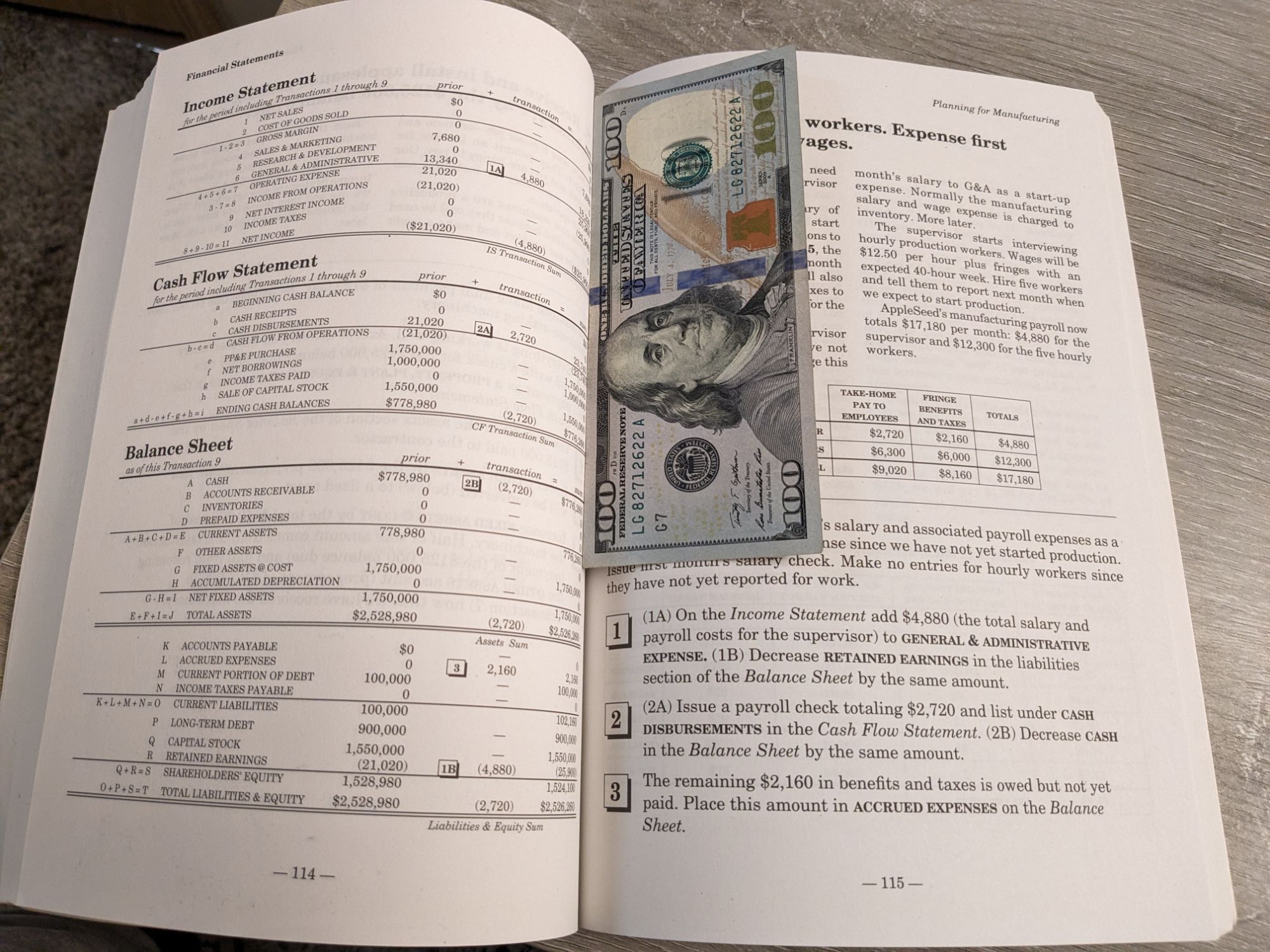

Investing Isn’t Just Numbers—It’s a Mental Game
I’ve never actually come close to selling my investments, but I’d be lying if I said the thought never crossed my mind. There have been moments—especially during the election year and the current administration —where I’ve sat there thinking, Should I even have my money in the market right now? I don’t like bad faith uncertainty and the idea that one person in office can shake up policies, the economy, and everything in between? Yeah, it’s enough to make you question things.
But every time that thought pops up, I check myself. I remind myself of what I already know—the stock market, my investments, and my financial future are bigger than one election, one president, or even four years. The market has been through wars, recessions, and political chaos before, and it always keeps moving forward.
The real problem isn’t the market. It’s the fear. If I let fear make my decisions, I’d be selling at the worst possible time, just like the people who panic and regret it later. And I refuse to be one of those people.
The Gut Punch That Makes People Sell
Managing your own investments is not easy. There’s a reason why financial advisors exist—because handling your own money, especially when you’re staring at red numbers on a screen, is mentally exhausting.
Saving money is already hard enough, but investing? That’s a whole different ballgame. You don’t see that money anymore. It’s not sitting in a savings account, safe and sound. It’s moving up and down every day, and sometimes, it drops hard.
And that’s where most people break. That’s when they sell. Maybe they wake up, turn on the news, and hear that the Dow dropped 650 points. Suddenly, they’re panicking. They don’t want to “lose more,” so they hit the sell button. But more often than not, the people who sell at those moments? They regret it. Because the market recovers. And once you sell, you’ve locked in those losses.
I’ve had those moments where I wondered, Should I sell just to be safe? But logic always wins out. I know that the people who stay invested—who push through the noise—are the ones who come out ahead.
Trying to Time the Market? Yeah, Good Luck With That
This is where most people get it wrong. They think they can outsmart the market. They think, Oh, I’ll sell now and buy back in when things are better.
But the market doesn’t work like that. Some of the best days in the market happen right after the worst days. If you miss just a handful of those good days, your returns get wrecked. There’s no crystal ball that tells you when to get in and out.
That’s why I don’t even try to time it. Instead, I stick to my own rules:
- Never invest money I’ll need in the next five years.
- Never invest so much that I’d feel stressed watching it move up and down.
- Keep adding what I can, when I can, even if it’s just a little.
How I Invest on a Low Income
Here’s the reality: I don’t have thousands of dollars to throw into the market. I’m low-income. My financial situation doesn’t allow for huge investment moves. But that doesn’t mean I don’t invest—it just means I do it differently.
Right now, my focus is on keeping enough cash in savings because I need that short-term security. But I still make sure to invest something, even if it’s just $5, $15, or $50. If I have money left over after groceries, I might throw a little more in. Maybe once a year, I’ll manage to put in a couple hundred. But the point is—I stay in the game.
A lot of people think investing only works if you go big. But that’s the kind of thinking that keeps people from ever getting started. Wealth isn’t built overnight. It’s built over time—slowly, steadily, consistently.
Why I Never Sold—And Why I Probably Never Will (Unless It’s for Something Bigger)
Every single time I’ve thought about selling, I didn’t. And honestly? I’m glad.
Because here’s what I know for sure: The stock market rewards patience, not panic. The people who build real wealth are the ones who stay invested, not the ones who react emotionally.
That being said, I’m not never going to sell. When I do, it won’t be out of fear. It won’t be because of some temporary market drop or political uncertainty. If I ever sell, it will be for a bigger purpose—something meaningful.
Maybe one day, I’ll sell to buy a home. Maybe I’ll use those funds to donate to charity, to support a cause I believe in—like stomach cancer research or Cancer of Unknown Primary (CUP), the rare and devastating cancer that took my friend’s life. But that’s far down the road. Right now, I’m focused on building—on growing my wealth, on strengthening my private investment fund, on making sure that when I do sell, it’s for something that truly matters.

This literary arts and printmaking organization my friend co-founded is a significant part of her legacy. Through her work, she helped create something that continues to make a difference, reflecting her passion, dedication, and values. It simply is who she was. 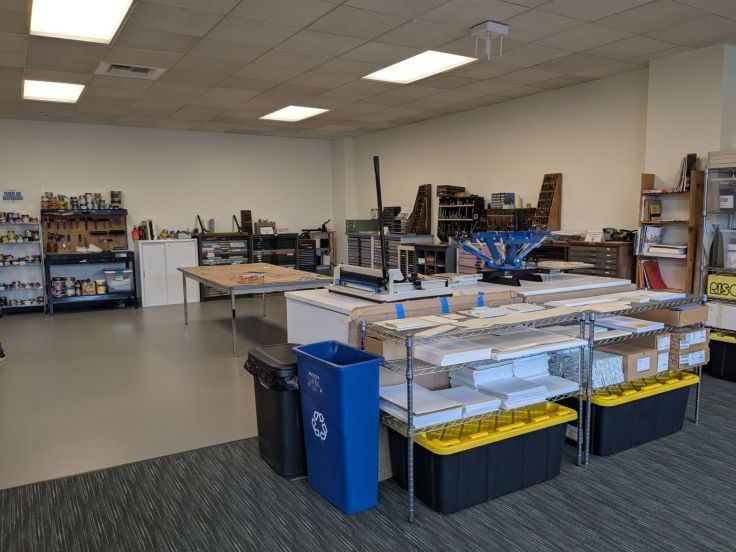
The grand opening was on February 1st at our main library, which just reopened after being closed since the pandemic. It was surreal to see so many people of all ages find joy from the work she did while she was here. (Co-founded in 2011, this is what it has become.) 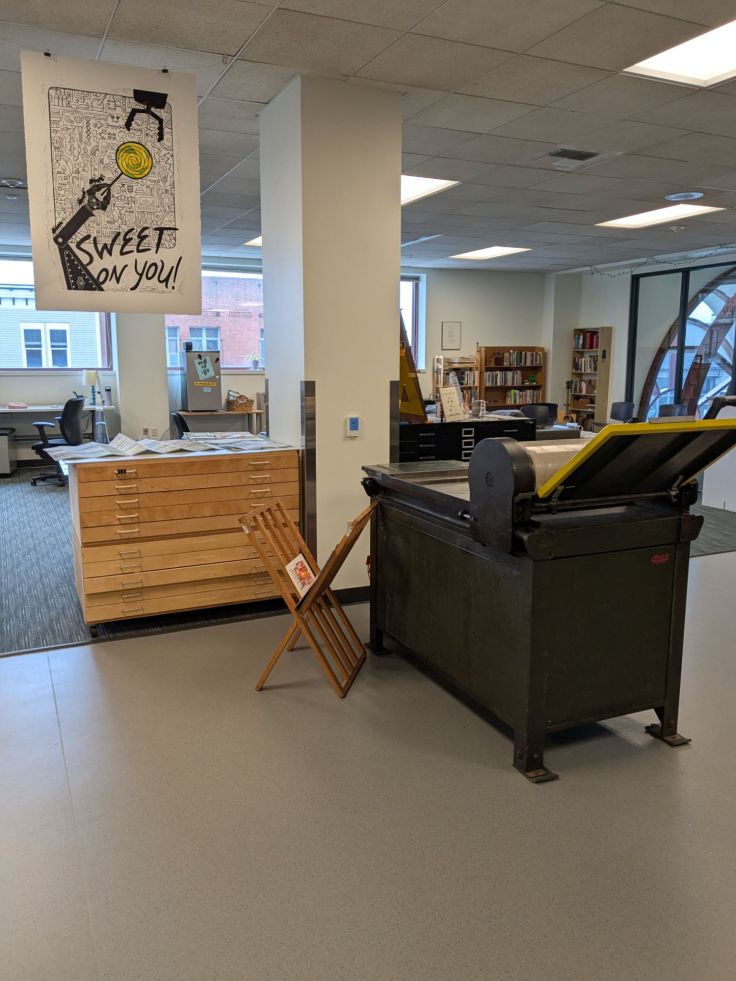
If funds are ever needed and I am in the position, this will be one of the causes at the top of my list to support . Go to write253.com if you want to learn more about what this organization does. 
The teen and I both had a poster made from the ink press in remembrance of her and what she not only taught but stood for. Use your voice. Don’t be afraid. Write.
That’s what keeps me invested. That’s why I never sold. And that’s why I probably never will—until the time is right. And even then, it won’t be every single share. I’ll always remain invested for generational wealth.
What the Greatest Investors Say About Emotions and Investing
Warren Buffett
“The stock market is a device for transferring money from the impatient to the patient.” – Berkshire Hathaway Shareholder Letter, 1988
Charlie Munger
“The big money is not in the buying and the selling, but in the waiting.” – Interview at the Daily Journal Annual Meeting, 2017
Peter Lynch
“The key to making money in stocks is not to get scared out of them.” – One Up on Wall Street (1989)
These guys didn’t become legends by panicking. They built wealth by staying calm when everyone else was losing their heads. That’s the game. That’s how you win.
References
Berkshire Hathaway Inc. (1988). Chairman’s Letter – 1988. Retrieved from https://www.berkshirehathaway.com/letters/1988.html
Latticework Investing. (2017). Charlie Munger: Full Transcript of Daily Journal Annual Meeting 2017. Retrieved from https://latticeworkinvesting.com/2017/02/17/charlie-munger-full-transcript-of-daily-journal-annual-meeting-2017/
Lynch, P. (1989). One Up on Wall Street: How to Use What You Already Know to Make Money in the Market. New York, NY: Simon & Schuster.
 The Broke College Student
Leave a comment