
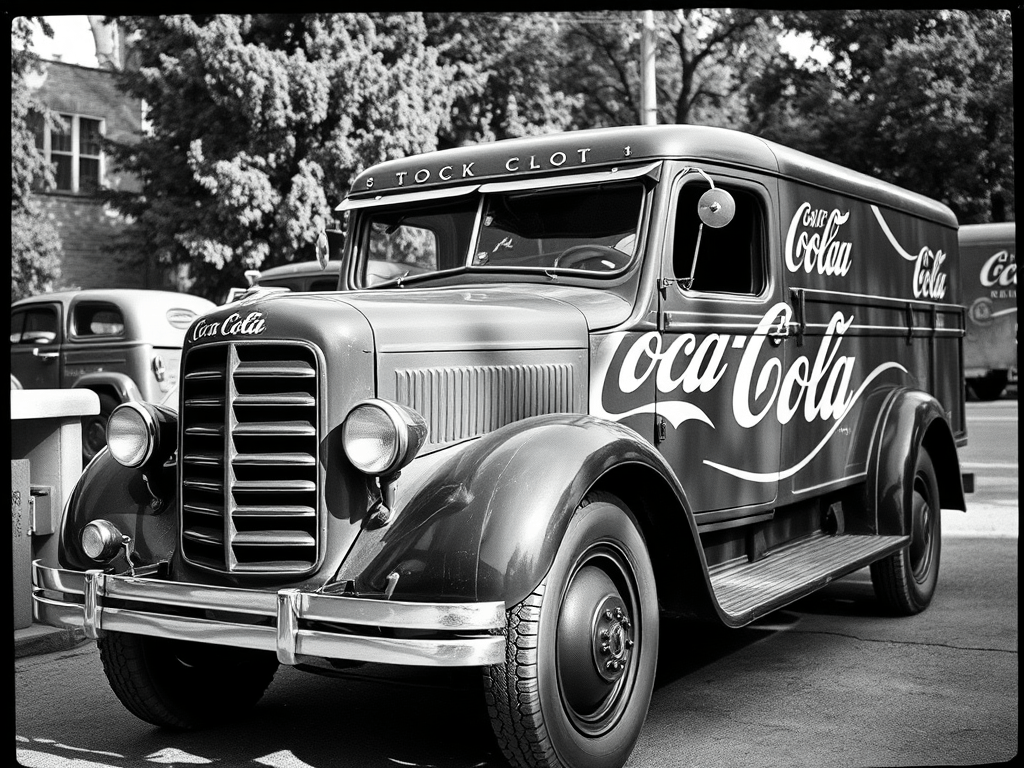
The other week, I had a class discussion due, and it was about understanding Framing in Psychology. We were tasked with choosing an ad or an example of framing, and I came across a classmate’s response about Coca-Cola. Being an investor in Coca-Cola, I found it interesting and wanted to share some insights from this discussion.
Understanding Framing in Psychology
Framing is a psychological concept that influences how information is presented and perceived. In marketing and business, framing is often used to shape consumer attitudes and behaviors by highlighting specific aspects of a product while downplaying others. Companies like Coca-Cola have mastered this strategy, using positive framing to create emotional connections with their audience.
How Coca-Cola Leverages Positive Framing
During a recent class discussion, we explored how Coca-Cola uses positive framing in its advertising. One of my classmates pointed out that the brand utilizes conscious, positive framing to present itself as a traditional family drink. By creating personalized labels and heartfelt slogans, Coca-Cola evokes nostalgia and emotional warmth.
However, this framing technique is selective. The advertisements focus on happiness, connection, and tradition rather than addressing aspects like sugar content or potential health effects. This deliberate choice steers consumer perception toward the emotional experience rather than the nutritional reality.
Framing and Classical Conditioning in Coca-Cola’s Marketing
As an individual investor in Coca-Cola, I’ve noticed how the company—alongside brands like Starbucks, Hershey, and McCormick—uses framing to reinforce generational habits. For example, if a grandmother always baked with Hershey’s cocoa powder, her grandchildren are more likely to continue using it to maintain that emotional connection. Similarly, Coca-Cola has built strong associations with certain experiences, such as movie nights. Decades of partnerships with theater chains have conditioned consumers to associate a cold Coke with a bucket of buttery popcorn and a film on the big screen.
This method aligns with classical conditioning, a psychological principle where people develop automatic associations between stimuli. Coca-Cola’s advertising doesn’t just sell a drink—it sells a feeling of completeness, where a meal or an event seems incomplete without a Coke.
The Future of Positive Framing in the Beverage Industry
While Coca-Cola dominates through positive framing, there’s a rising demand for health-conscious alternatives like Zevia, Olipop, and Poppi. These brands also use positive framing with phrases like “All Natural,” “No Additives,” and “Made with Stevia” to appeal to consumers prioritizing health. As demand for such products increases, Coca-Cola and similar companies may be forced to adapt their business models to stay competitive.
Insights from My Professor
Concluding our discussion, my professor noted that framing isn’t just about what is presented but also about how it’s articulated. She acknowledged that classical conditioning plays a significant role in shaping consumer behavior, even when we don’t consciously recognize it. This insight highlights why businesses strategically frame their products to build lasting psychological associations with consumers.
Final Thoughts
Coca-Cola’s marketing success isn’t just about its product—it’s about the power of perception. By using positive framing and classical conditioning, the company has created strong emotional connections that keep consumers coming back. As the industry evolves, it will be interesting to see how these strategies adapt to changing consumer preferences and market trends.
 The Broke College Student
Leave a comment