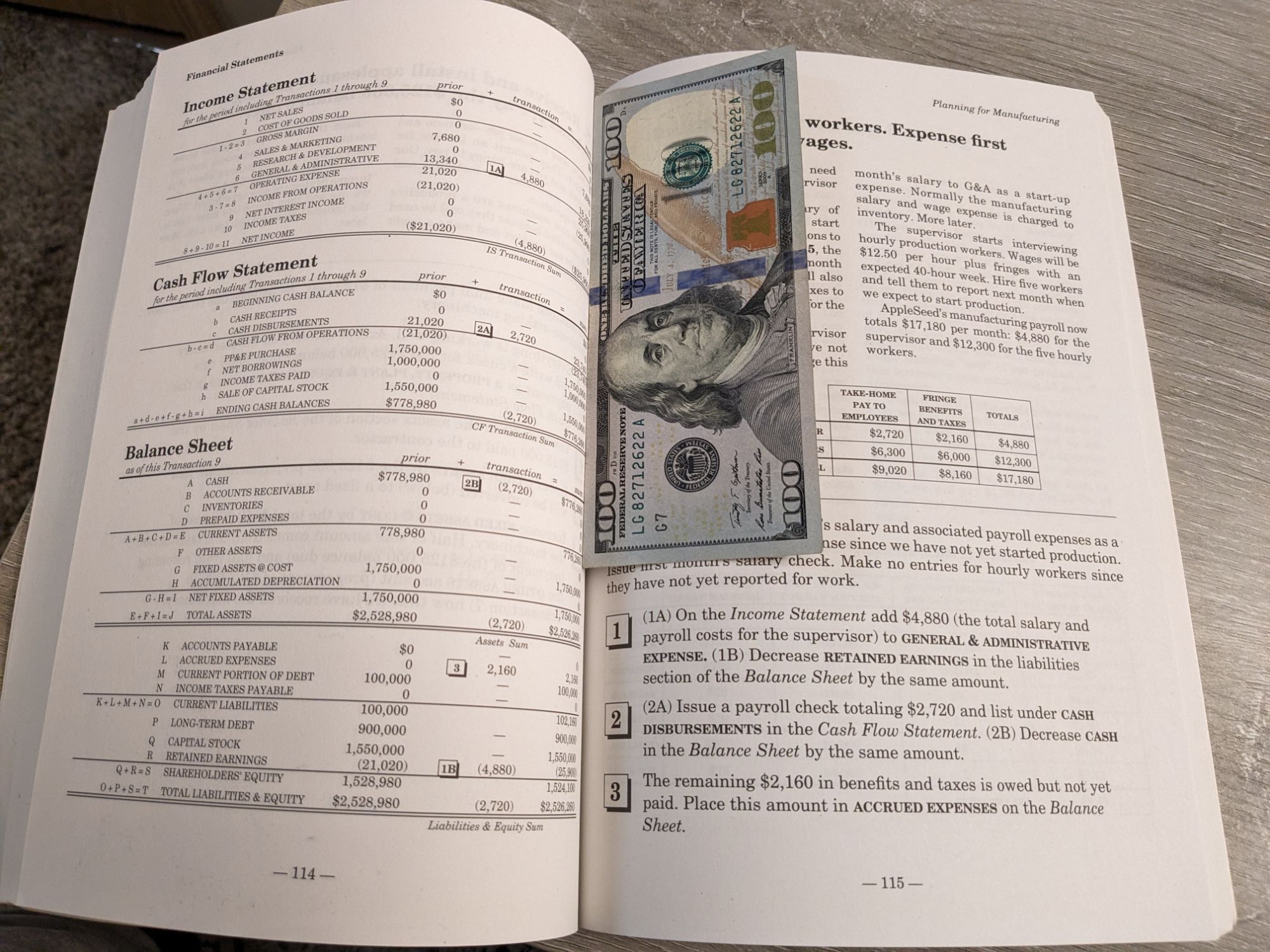

I came across this Google Doc I wrote years ago, which started as a conversation in ChatGPT. As someone who’s loved reading for as long as I can remember, I was a Hooked on Phonics kid—probably due to my dyslexia, which I didn’t know I had at the time. I always thought it was because I loved reading. I was reading at a college level in middle school. Despite my early struggles with reading, I was always drawn to it. But, I had an intense need to analyze every word, and this tendency only grew stronger when I ventured into non-fiction books, especially those about investing.
Imagine how freeing this realization was that I’m about to share with you, or better yet, how liberating this self-permission felt. I spent so much time breaking down every word in those books, trying to dissect each sentence, but it often felt like an exhausting, never-ending exercise. Now, I see that the goal of reading these works isn’t to break down every single detail but to understand the bigger picture, the approach, the mindset, and the core principles.
The Power of Understanding Different Perspectives in Investing
It hit me while I was reading an article about Peter Lynch and his “10 Bagger Theory.” The realization: when you read someone’s work, you’re not getting a universal rulebook, you’re getting their perspective. When you pick up a book by Peter Lynch, you’re seeing how he thinks about investing. It’s not about following instructions, it’s about understanding how he approaches opportunities. If you were to read Warren Buffett’s work, it would be the same, you’d be seeing his perspective on investing.
I used to think reading these works meant following a step-by-step guide, but now I realize that they offer insights into how these investors approach the world of business and investing. Their success is rooted in their individual thinking, and that’s a powerful thing to understand. At 33, this realization finally clicked for me.
Shifting My Perspective Beyond Investing: Applying New Insights to Other Areas
This shift in understanding extends beyond investing. It resonates with me in other fields too, like philosophy. When you dive into a philosopher’s work, you’re not receiving a definitive answer to life’s questions, you’re reading their perspective. The same applies to investing. What I’ve learned is that reading isn’t about following instructions, it’s about understanding the thinking behind the strategy and applying it in a way that works for you.
Rather than memorizing formulas, the key is to evaluate different viewpoints and decide what resonates with your goals, values, and approach. This realization is freeing because it allows me to move from simply following advice to actively shaping my own approach to investing.
How to Learn from Successful Investors Without Mimicking Their Every Move
Reading books by successful investors like Phil Town, Peter Lynch, or Warren Buffett isn’t about mimicking every step they take. It’s about understanding their thought processes. For instance, Peter Lynch’s “10-bagger” concept may seem like the ultimate goal, but that’s his perspective on identifying big opportunities. Warren Buffett, on the other hand, may have an entirely different approach, focusing on long-term investments in stable, high-quality businesses.
While both have achieved success, their methods differ. So when I read their books, I’m not looking to copy their actions exactly. I’m looking for their strategies, their way of thinking, and applying what works for me.
Why Creating Your Own Investment Strategy is Key to Long-Term Success
The big takeaway here is that there is no one-size-fits-all approach to investing. While Peter Lynch and Warren Buffett may offer contrasting views, both are successful because they trust their own judgment. That’s the real key, trusting your own instincts and making decisions based on your understanding and goals.
For example, I’m looking at a company right now that doesn’t have positive earnings per share (EPS) yet, but its revenue is growing consistently. According to Phil Town’s Rule #1, this may be a red flag, but I see potential in this company because of its strong revenue growth. It doesn’t fit the traditional “value investment” mold, but I believe it has room to grow.
This highlights the importance of finding what resonates with you in your investing journey, rather than trying to follow a particular formula.
The Secret to Avoiding Overcomplication in Investing: Focusing on What Matters
What I’ve also come to realize is that successful investors like Buffett and Munger don’t complicate things. They keep it simple by focusing on the basics, understanding a company’s current financial health, its management quality, and its competitive advantages. These are the core factors that tell you whether a business is worth investing in.
That’s how I’ve come to view investing as well. Similar to how I combine quantitative and qualitative data in psychology, I now do the same in investing. I focus on the hard numbers, but I also understand the story those numbers are telling me. It’s about looking at a company’s current value, not trying to predict the future based on complicated projections.
The Power of Combining Quantitative and Qualitative Analysis in Investing
The beauty of investing is that you don’t need to overcomplicate things. By focusing on what you can see today, like a company’s assets, earnings consistency, and overall positioning in its market, you can get a clearer picture of its potential. Pair this with a solid understanding of its qualitative factors, like strong management and a competitive edge, and you have a winning strategy.
This approach, blending both quantitative and qualitative analysis, is where I find comfort. As someone deeply interested in psychology, I’ve always appreciated how combining data with human insights leads to deeper understanding. Now, I apply this same principle to investing, and it’s helping me make smarter decisions.
How to Keep Your Investing Strategy Simple with Insights from Buffett, Munger, and Lynch
Investing doesn’t have to be complicated. If you focus on what matters, the company’s current financials, its management, and its competitive position, you’ll be on the right path. You don’t need to overthink or try to follow every expert’s advice to the letter. Instead, trust your instincts, understand the principles behind each strategy, and adapt them to suit your goals.
At the end of the day, investing is about taking in the perspectives of successful individuals, not trying to replicate their every move. It’s about finding your own path and making decisions that feel right for you.
 The Broke College Student
Leave a comment