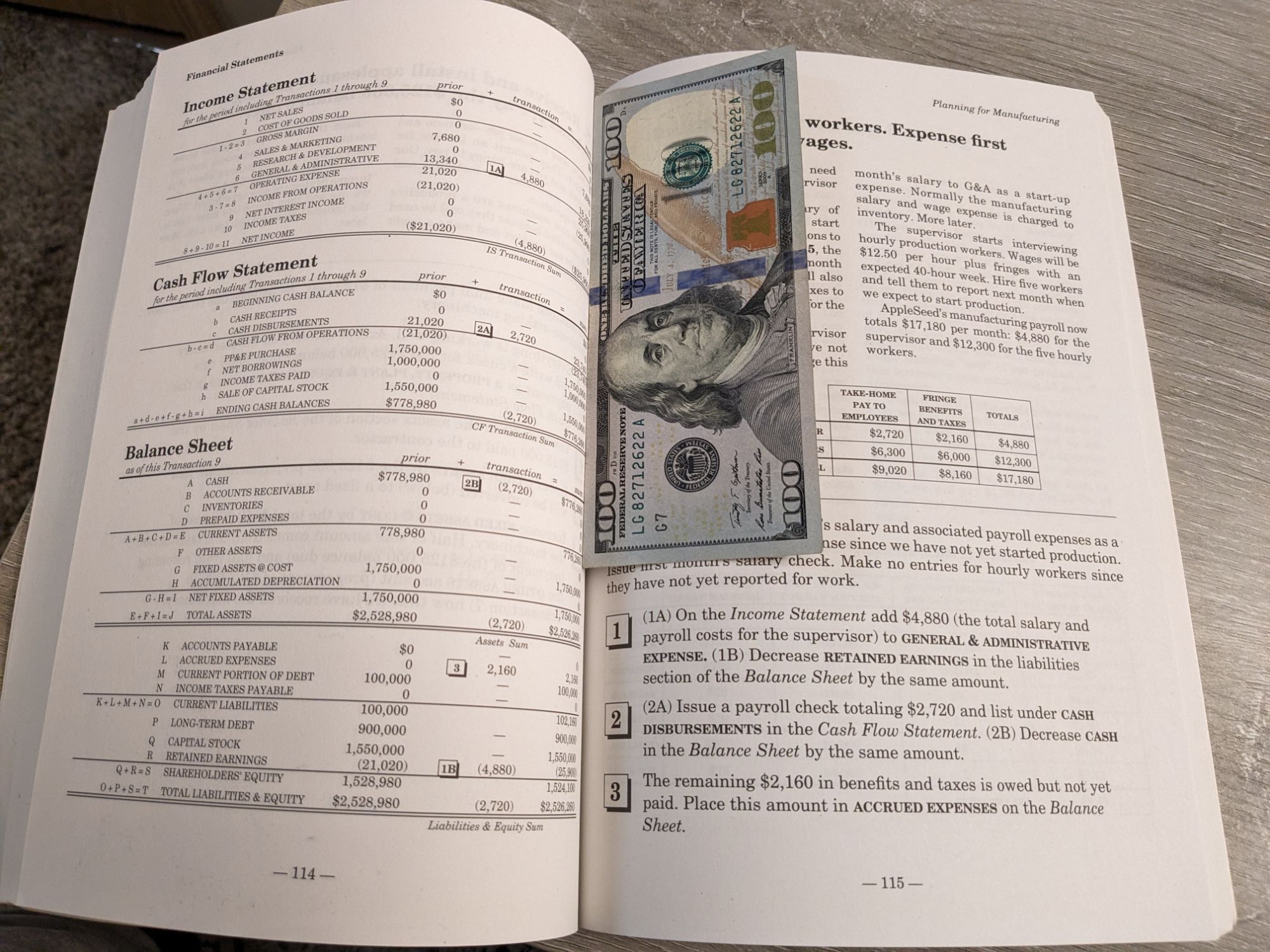

Why College Students Should Start Investing Early
Investing isn’t about getting rich overnight; it’s about building wealth over time. As a college student or young adult, you have a unique advantage—the gift of time. The earlier you start, the more compounding works in your favor. But where should you begin? There’s no shortage of books promising to make you a millionaire, but true financial success lies in understanding the fundamentals of investing and developing a disciplined, long-term approach.
In this guide, we’ll explore the best investment books for college students, focusing on the right mindset, understanding basic investing principles, and learning from the experts. We’ll also break down why investing is a marathon, not a sprint, and why wealth-building takes patience.
1. Mindset and Wealth Building: Setting the Stage for Financial Success
Before diving into the technical side of investing, it’s essential to develop the right mindset. If you understand how the wealthy think about money and wealth, you’ll be in a better position to make smarter decisions.
- The Millionaire Next Door by Thomas J. Stanley and William D. Danko
The first step to building wealth is changing the way you think about money. This book reveals the behaviors and habits that set millionaires apart from the rest. It’s not about flashy cars and huge mansions; it’s about smart, disciplined decisions over time. If you’re hoping to live comfortably in a nice home, drive a nice car, and enjoy financial freedom without trying to get rich quickly, this book is a must-read.
- The Psychology of Money by Morgan Housel
Before you invest, you need to understand yourself. The Psychology of Money breaks down the emotional side of investing and why human behavior often leads to poor financial choices. Learning to control your impulses and stay patient with your investments is key. Housel emphasizes that building wealth isn’t about shortcuts but consistent, rational decision-making.
2. Getting to Know Investment Basics: Where to Start
Once you have the right mindset, it’s time to learn the fundamentals of investing, how to assess stocks, bonds, and other assets. These books will help you lay the groundwork for your investment journey.
- The Intelligent Investor by Benjamin Graham
This classic is often referred to as the bible of value investing. Written by Benjamin Graham, Warren Buffett’s mentor, The Intelligent Investor teaches you how to assess stocks based on their intrinsic value rather than speculation. While some sections might feel dense for beginners, the lessons in patience and long-term thinking are invaluable for new investors.
- One Up on Wall Street by Peter Lynch
This book is an essential read for anyone looking to understand how the stock market works at a practical level. Lynch’s approach is all about identifying promising investments before they hit the mainstream—basically, doing your homework and spotting opportunities early. Unlike many other investing books that focus on technical analysis, this one emphasizes the importance of research, a key principle for long-term wealth-building.
3. Learning from the Masters: How the Best Investors Think
Now that you have a strong foundation, it’s time to learn from the masters. Warren Buffett and Charlie Munger have made billions through a disciplined, patient, and long-term investing strategy. These books give you insight into how they think and approach investing.
- Charlie Munger: The Complete Investor by Tren Griffin
Charlie Munger’s philosophy is often overlooked, but it’s just as valuable as Warren Buffett’s. The Complete Investor shows how Munger combines value investing with a multidisciplinary approach to problem-solving. By reading this, you’ll learn how to think about investments in a more holistic way—an essential skill for any successful investor.
- Poor Charlie’s Almanack by Peter D. Kaufman
This book is a collection of Munger’s speeches, and it’s packed with nuggets of wisdom about life, business, and investing. Munger’s investment philosophy is clear: focus on long-term value, avoid speculation, and understand the world from multiple perspectives. It’s not just about the stock market; it’s about developing the right mindset to succeed in any area of life.
4. Advanced Concepts: Mastering the Art of Investing
Once you have a solid understanding of the basics, it’s time to dive deeper into more advanced concepts. These books will challenge you to think critically and analyze investments on a deeper level.
- Security Analysis by Benjamin Graham and David Dodd
This book is the more advanced version of The Intelligent Investor, and it’s often called the “Bible” of value investing. It teaches you how to evaluate a company’s financial health, management, and overall market conditions. While this book is definitely not for beginners, it’s an invaluable resource for anyone serious about analyzing investments in-depth.
5. Why You Should Avoid Books That Promise Quick Riches
Books like Rich Dad Poor Dad have become popular for their “get rich quick” ideas, but they lack the substance and actionable strategies needed to build real wealth. These types of books often focus on mindset but fail to provide the practical knowledge required to succeed in the markets. Instead of focusing on quick wins, invest in books that teach you the time-tested principles of investing and building wealth over time.
6. The Lifestyle You’re Working Toward: The Real Vision of Wealth
Many people think of wealth in relative terms, flashy cars, mansions, and extravagant lifestyles. But for me, I’ve always had a different vision. I think back to the 80s and 90s movies that shaped my idea of success. The families in those films lived in nice homes, not mansions. They had nice cars, but they weren’t over-the-top luxury vehicles. Maybe they drove a BMW or a Ford, something dependable and comfortable. And, of course, there was always that fancy breakfast in the morning, the dad in a suit, the mom in a suit, and the family sitting together before the day began.
Movies like Jingle All the Way, The Santa Clause, Trading Places, and Home Alone painted a picture of financial security that resonated with me. When I think about wealth, I don’t dream of a 20-room mansion or three different cars in the driveway. Instead, I imagine owning a townhome, a brownstone, or maybe a home in the UK with a library full of books. I picture waking up next to my partner in the morning, not rushing off to a 9-to-5, but instead designing our life exactly how we want it to look, grabbing bagels, taking our time, and having the freedom to shape our days however we choose.
That’s what real wealth means to me: financial security, autonomy, and the ability to enjoy life on my own terms. By reading these books and following the principles of long-term investing, you’ll find yourself on the path to that kind of life before you even realize it.
And if one of these books feels too dense, don’t worry about skipping it. I personally haven’t read The Intelligent Investor or Security Analysis all the way through, but I know their value because they’re recommended by some of the greatest investors of all time, people I highly admire. The key is to start somewhere, build your foundation, and keep learning.
Building Wealth Through Patience and Knowledge
Investing isn’t about flashy gimmicks or overnight success. It’s about building wealth over time through informed decisions and a disciplined, long-term approach. The books in this guide will help you develop the right mindset, understand the basics of investing, and learn from the masters of the field. Remember, investing is a marathon, not a sprint—and the key to success is patience.
 The Broke College Student
Leave a comment