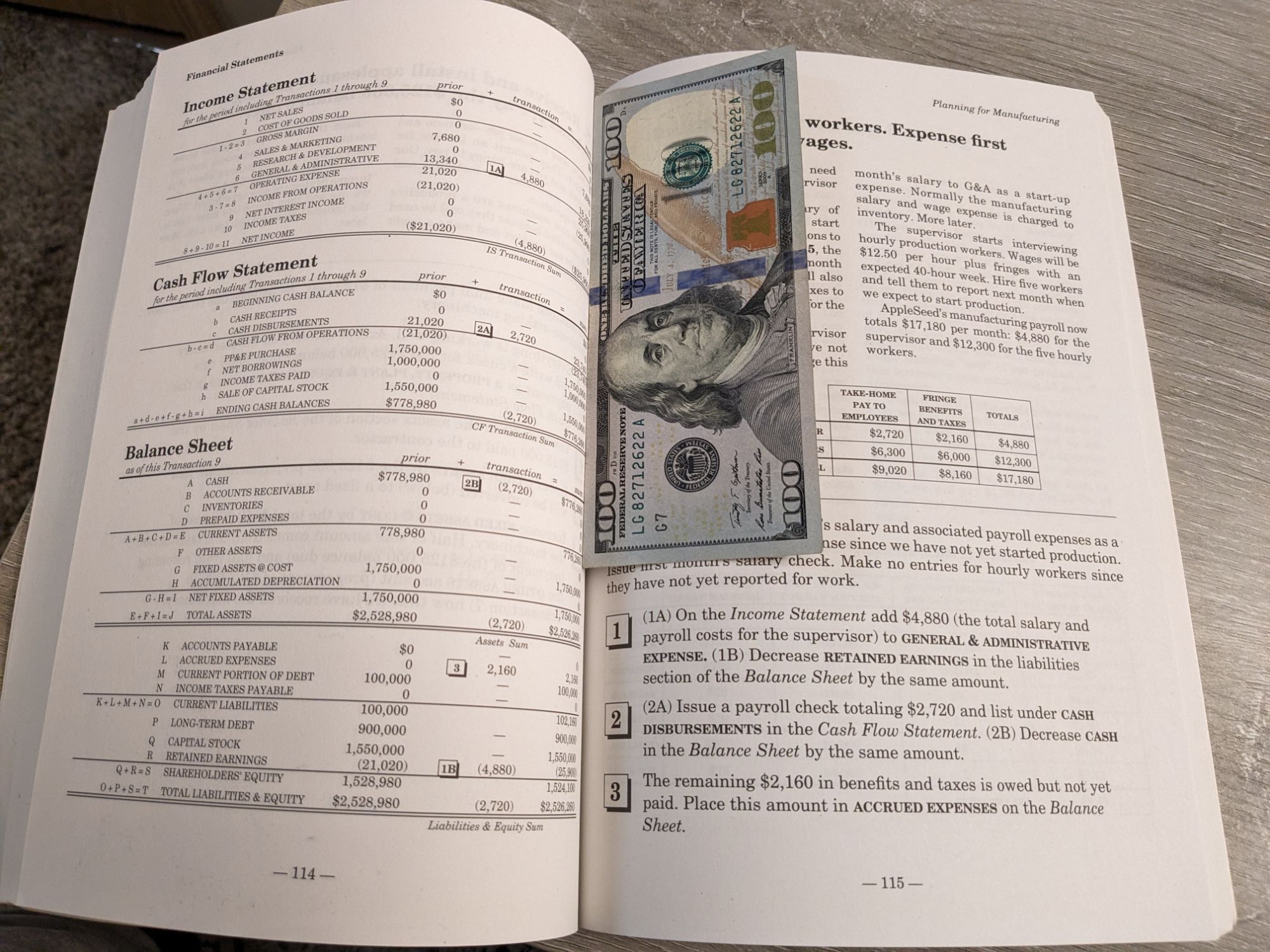

Have you ever hesitated to put money into the stock market, yet had no problem spending $5 on a Starbucks latte, $10 on overpriced campus snacks, or $20 on drinks over the weekend? If so, you’re not alone. Many people are more comfortable with spending money on small, everyday purchases than investing it in stocks, even though the cost is often the same. But why is that?
The Psychology Behind Fear of Investing
When we buy coffee, snacks, or drinks, we immediately experience the joy of our purchase. We can see, touch, taste, or use what we bought. These expenses feel normal, even though we know we could cut back on them if we wanted to.
Investing, on the other hand, feels abstract. Instead of a tangible reward, we see numbers on a screen moving up and down. There’s no physical confirmation that we made a good choice. Unlike that latte, which you get to enjoy right away, a stock investment requires trust, trust that your money will grow over time, even though there’s no immediate gratification.
Why Do We Trust Small Purchases but Fear Investing?
- Instant Gratification vs. Delayed Reward
- Small purchases provide instant satisfaction. A $5 coffee gives us warmth, energy, and a moment of indulgence.
- Investing requires patience. There’s no instant reward, which makes it feel riskier.
- Perceived Risk
- When we buy a snack, we know exactly what we’re getting. The risk is zero.
- When we invest, we don’t know if we’ll make money or lose it. The uncertainty creates fear.
- Lack of Control
- Spending money feels like a choice we control. We know what we’re buying and the value we’re getting.
- Investing feels unpredictable, like we’re handing our money over to the market with no guarantee.
How to Overcome the Fear and Start Investing
1. Change Your Mindset
Instead of seeing investing as gambling, view it as planting a tree. The earlier you plant, the more time it has to grow. Even small amounts can turn into significant wealth over time.
2. Start Small
If you can spend $5 on coffee, you can invest $5 in stocks. Many investing apps allow you to start with as little as a few dollars. Just like buying a coffee, investing can become a habit.
3. Think of Investing as ‘Buying Your Future’
When you invest, you’re purchasing a piece of a company, just like you purchase snacks or drinks. Instead of a one-time experience, you’re buying something that has the potential to grow in value and reward you later.
4. Educate Yourself
Fear often comes from the unknown. Take time to learn about investing, read about companies, and understand basic financial concepts. Knowledge reduces uncertainty and builds confidence.
5. Focus on Long-Term Growth
Markets go up and down in the short term, but historically, they have grown over the long run. Instead of worrying about daily fluctuations, focus on where your investments could be in 5, 10, or 20 years.
The Cost of Not Investing
Many people think avoiding investing is the safest choice, but not investing is a decision in itself, it means missing out on potential long-term growth.
Imagine you keep your money in a savings account earning 0.5% interest while inflation averages 3% per year. This means your money is actually losing value over time. On the other hand, investing in the stock market historically provides an average return of around 7-10% per year. Over decades, the difference is staggering.
For example, if you invest $100 per month for 30 years with an average return of 8%, you’d end up with over $135,000. If you left that same amount in a savings account with minimal interest, you’d have only $36,000. That’s a $99,000 difference, all because of the power of investing.
Understanding Fear vs. Reward in Investing

The chart above visually represents the fear and reward levels of different financial choices. Comfort spending, like buying a $5 coffee or $20 drinks, provides instant but short-lived rewards. Not investing might feel safer, but over time, inflation erodes your money’s value. Meanwhile, investing may come with initial fear, but the long-term rewards far outweigh the short-term uncertainty.
However, comfort spending isn’t inherently bad. The problem arises when we use these purchases to numb ourselves or create temporary joy in situations we don’t want to be in. If you’re buying that $5 coffee to escape the reality of a job you hate or a living situation you’re unhappy with, it’s worth considering an alternative, investing in your future.
Investing doesn’t mean sacrificing joy. Instead, it allows you to enjoy your purchases and feel more secure about the future. Imagine buying that same $5 coffee knowing that you’re also growing your wealth. Instead of guilt or financial stress, you feel empowered, excited, and more in control of your life. Living with intention means balancing present joy with future security. Investing is simply a tool to help you achieve that.
Common Myths That Keep People From Investing
- “I Need a Lot of Money to Start”
- False! Many platforms allow you to start investing with as little as $1.
- “Investing is Too Risky”
- While individual stocks can be risky, diversifying by investing in index funds or ETFs reduces risk significantly.
- “I’ll Lose Everything”
- The market has downturns, but historically, it has always recovered and grown over time.
- “I Don’t Know Enough About Stocks”
- You don’t need to be an expert. Many investors start with index funds, which follow the market and require little knowledge to begin.
Final Thoughts
If you’re comfortable spending money on everyday purchases that bring you momentary joy, why not invest in something that could bring you long-term wealth? The key is to start small, stay consistent, and trust the process. Investing isn’t about gambling, it’s about making your money work for you.
So next time you think about buying an overpriced snack, consider investing that same amount in your future instead!
 The Broke College Student
Leave a comment