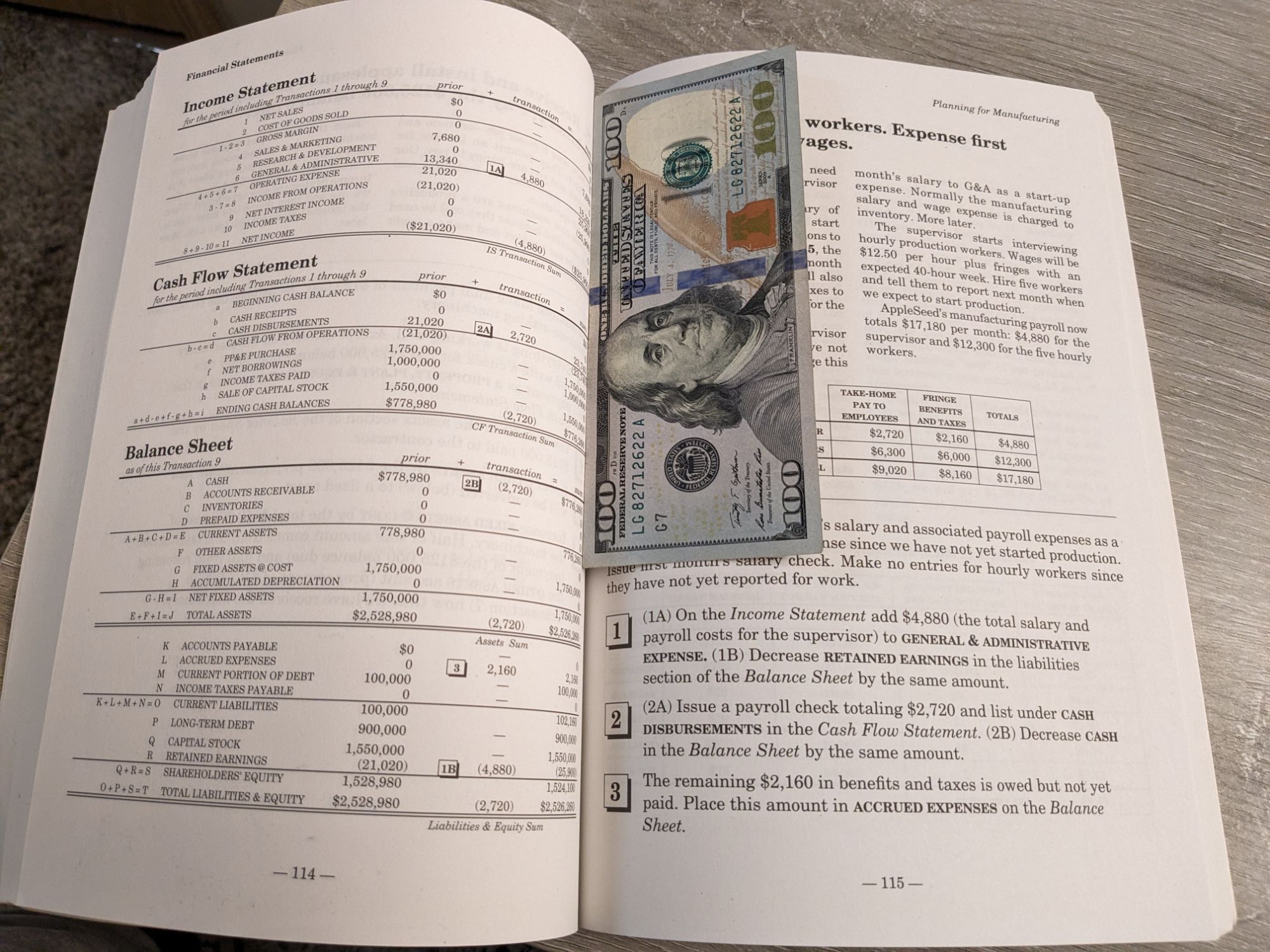

Being broke in college isn’t just about having no money, it’s about navigating a system that often feels designed to keep you struggling. But what if I told you that economic theories, yes, the same ones that explain how nations grow, can also explain how an individual climbs out of poverty?
The truth is, escaping financial hardship isn’t just about working harder; it’s about understanding how to leverage resources, education, and innovation to create lasting change.
This is where three major economic concepts come into play:
- Harrod-Domar Model → How food stamps, grants, and financial assistance provide short-term survival and stability.
- Solow’s Growth Theory → Why education is the stepping stone to long-term financial success.
- Endogenous Growth Theory → How knowledge, networking, and innovation create lasting social mobility.
By applying these economic principles, a broke college student can go from living off food stamps to financial independence. Let’s break it down.
Step 1: Harrod-Domar and Short-Term Survival (Getting Out of Crisis Mode)
The Harrod-Domar Model explains that economic growth happens when there’s enough savings and investment. But what happens when you have no savings and barely any income?
For many low-income students, financial aid, food stamps (SNAP), and grants act as the ‘investment’ needed to stay afloat. Without them, it’s impossible to even think about growth, because survival comes first.
How to Apply This Model as a Broke College Student:
- Maximize Government Assistance:
- Apply for Pell Grants (federal money that doesn’t have to be paid back).
- Use food stamps (SNAP) strategically—buy staples that stretch, like rice, beans, and frozen vegetables.
- Take advantage of housing assistance, utility relief programs, and work-study opportunities.
- Minimize Debt & Unnecessary Expenses:
- Live below your means, even if it sucks for now.
- Stick to community college for the first two years to save money.
- Buy used textbooks or use library resources instead of wasting money on new books.
The key takeaway? Financial assistance isn’t a crutch, it’s an investment that buys you time and stability so you can focus on the next step.
Step 2: Solow’s Growth Theory and the Power of Education
Solow’s Growth Theory tells us that long-term economic growth happens when we invest in technology and human capital. But what does that mean for a broke college student?
Education = Your Greatest Long-Term Investment
- Your degree, certifications, and skills are the “technology” that will help you earn more money in the future.
- Just like countries that only rely on building factories eventually hit a wall, students who just work dead-end jobs without building skills will get stuck.
How to Apply This Model as a Broke College Student:
- Choose a Major Strategically
- Pick a field with high-income potential (avoid degrees with low job prospects unless you have a clear plan).
- Look for certifications that complement your degree and boost employability.
- Use School as a Launchpad
- Apply for internships, even unpaid ones, because experience matters.
- Take free online courses (Coursera, edX, Google certifications) to gain additional skills.
- Network with professors and professionals who can help you break into your industry.
The key takeaway? College isn’t just about getting a diploma, it’s about acquiring valuable skills and connections that increase your earning potential.
Step 3: Endogenous Growth Theory and Long-Term Social Mobility
Endogenous Growth Theory states that innovation, networking, and knowledge are what sustain long-term economic growth. The same applies to personal financial growth, once you escape poverty, how do you stay out and continue to rise?
How to Apply This Model as a Broke College Student:
- Surround Yourself with the Right People
- Find a mentor, someone who has done what you want to do.
- Get into study groups with high-achieving students.
- Attend networking events and career fairs even if you feel like you don’t belong there.
- Develop Skills That Give You an Edge
- Learn how to negotiate salary (most people leave money on the table because they don’t ask!).
- Gain tech skills, even if you’re not in tech, basic coding or data analysis makes you more valuable.
- Start a side hustle or freelance gig, building something on your own terms gives you financial security beyond a paycheck.
- Invest in Continuous Learning
- Don’t stop learning after college. The job market changes, and staying ahead is what keeps you competitive.
- Read books, take online courses, and develop an adaptability mindset.
The key takeaway? The biggest factor in escaping poverty long-term isn’t just a degree, it’s continuous learning, adaptability, and knowing how to leverage relationships.
Final Thoughts: Turning Economic Theory into a Life Strategy
The journey from food stamps to financial freedom isn’t about luck, it’s about strategy.
- Harrod-Domar Model: Use grants, food stamps, and financial aid as the short-term investment that provides stability.
- Solow’s Growth Theory: Education and skill-building are the key investments that drive future income.
- Endogenous Growth Theory: Your long-term success comes from continuous learning, networking, and adapting to new opportunities.
The Bottom Line?
If you’re a broke college student, you already know the struggle. But understanding these economic principles can shift your mindset from “I’m stuck” to “I have a strategy.”
It’s not about where you start, it’s about how you leverage resources, education, and innovation to change your future.
If you enjoyed this breakdown, check out our related articles on Harrod-Domar, Solow’s Growth Model, and Endogenous Growth Theory to see how these ideas shape entire economies, and individual lives.
 The Broke College Student
Leave a comment