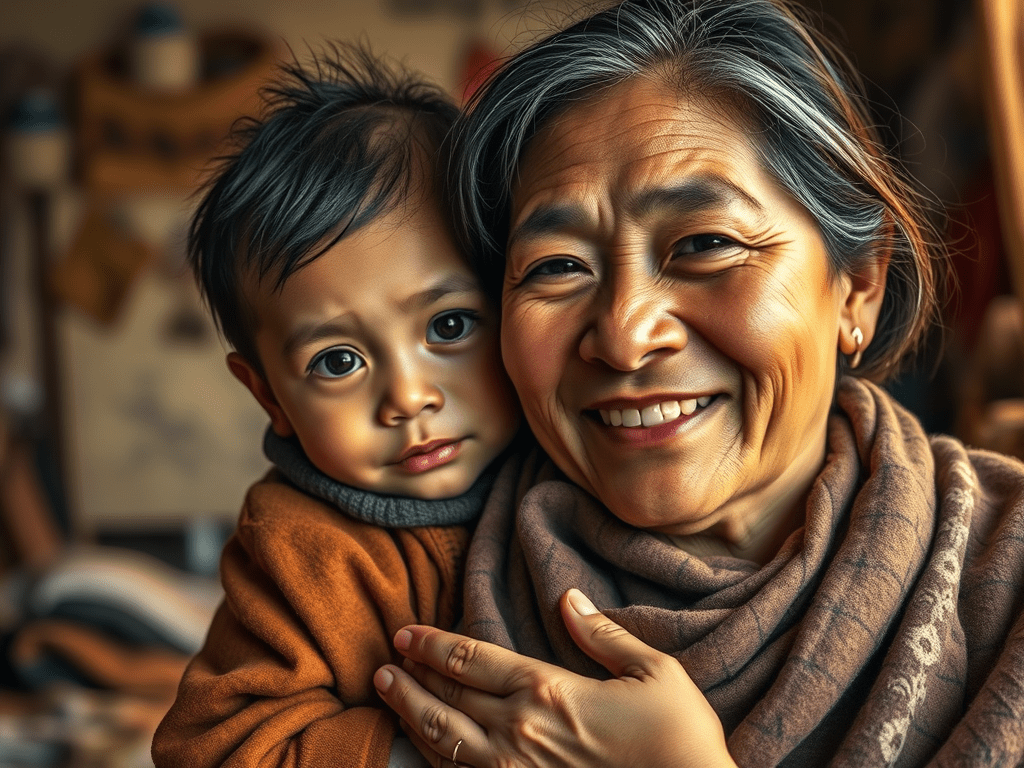
How our environment, and whether our basic needs are met, shapes the way we show up for others. This was for an assignment I had to do for my adolescent psychology class, and I wanted to share my contribution to the discussion here.
The Myth of Owing Your Parents
After watching the Crash Course: Family Obligations video, I couldn’t help but agree with the perspective shared by philosopher English: that children are not obligated to repay their parents for raising them in a loving environment, that kind of care should be a given if one chooses to have children. Parenthood, after all, is a voluntary act. Providing food, shelter, love, and safety isn’t a favor; it’s the bare minimum we owe to the humans we choose to bring into the world.
Still, I think that most adult children do naturally want to give back, not because they have to, but because of the environment they were raised in. That distinction is subtle but powerful. It’s the difference between guilt and gratitude. Between survival and love.
How My Son Taught Me About Support Without Pressure
For example, I never gave my own child chores. It was my job to keep the environment clean and safe. Still, as he got older, he began helping on his own, doing dishes or tidying up, not because he had to, but because he wanted to. That shift didn’t come from demands or punishments; it came from watching, living, and internalizing what it looks like to care for a home.
This ties directly into Bowen’s concept of differentiation of self in family systems theory. A person with strong differentiation can be emotionally close to their family while still thinking independently and making decisions based on their own values. That’s what I saw in my son: someone choosing to help, not because I forced him to, but because he wanted to contribute. That kind of support is stronger and more sustainable, because it’s not rooted in obligation.
The Psychology of Giving: Autonomy vs. Obligation
There’s something deeply human about wanting to give back. But it’s important to ask why someone is giving. Psychology tells us that intrinsic motivation, doing something because it aligns with your values or brings you satisfaction, is healthier and more enduring than extrinsic motivation, which is driven by rewards or pressure.
In families, especially, the difference can make or break relationships. When support comes from guilt or fear of disappointing others, it creates emotional debt. That debt builds over time. But when support comes from a place of autonomy and care, it strengthens bonds and fosters resilience.
When Survival Enters the Chat: Food Insecurity and Adolescents
This brings me to something else that stood out when I read a Food Security article. Many adolescents in food-insecure homes take on adult responsibilities, not by choice, but because they have to. Their families are struggling, and in the absence of financial stability, kids step up. But unlike my example, these contributions are often laced with stress, guilt, and fear. It’s not a choice, they’re surviving.
That’s the sharp edge of inequality. When basic needs aren’t met, children are forced to grow up fast. They may start cooking meals, taking care of siblings, or even working part-time jobs while still in school. On the outside, it might look like maturity. But inside, it can be trauma.
The burden they carry isn’t the same as the kind of contribution that grows from love and connection. It’s a survival response. And over time, it can shape how they view responsibility, support, and even self-worth.
What If All Families Had Enough?
This leads me to a question I often ask: How different would adolescent development look if more families had their basic needs met? What if every family had enough food, stable housing, and access to healthcare? Would more kids be able to give from the heart, rather than out of necessity?
If we think about it in financial terms, survival-mode parenting often produces survival-mode children. And survival mode rewires the brain. It shifts priorities from growth to defense. From exploration to control. From generosity to self-protection.
In contrast, environments with psychological safety allow for growth. Children can develop a sense of agency, form their own values, and offer help because they want to, not because they’re desperate to keep the household afloat.
Family, Finance, and Freedom: The Bigger Picture
This conversation lives at the intersection of family systems, financial stability, and psychological freedom. When families live paycheck to paycheck or constantly face economic hardship, their internal dynamics change. Boundaries blur. Roles shift. And often, love and obligation get tangled up in ways that are hard to sort out.
That’s why public policy around food assistance, housing, and healthcare isn’t just about economics, it’s about childhood, too. It’s about mental health. It’s about whether the next generation gets to grow in environments where they learn to give without being forced to. Where they differentiate their sense of self not in rebellion or fear, but in calm, secure connection.
Conclusion: Support Should Come from Love, Not Survival
Support should never be extracted. It should emerge organically from the bonds we nurture over time. My own experience as a parent taught me that the most lasting contributions come not from pressure, but from example and care.
When we give our children a safe, stable foundation, we don’t just raise people who are willing to help; we raise people who know why they’re helping. That’s the power of differentiation. That’s the power of enough.
And maybe, just maybe, if we built a world where every family had the basics covered, we’d finally start to see what support really looks like, when it’s rooted in love instead of survival.
 The Broke College Student
Leave a comment