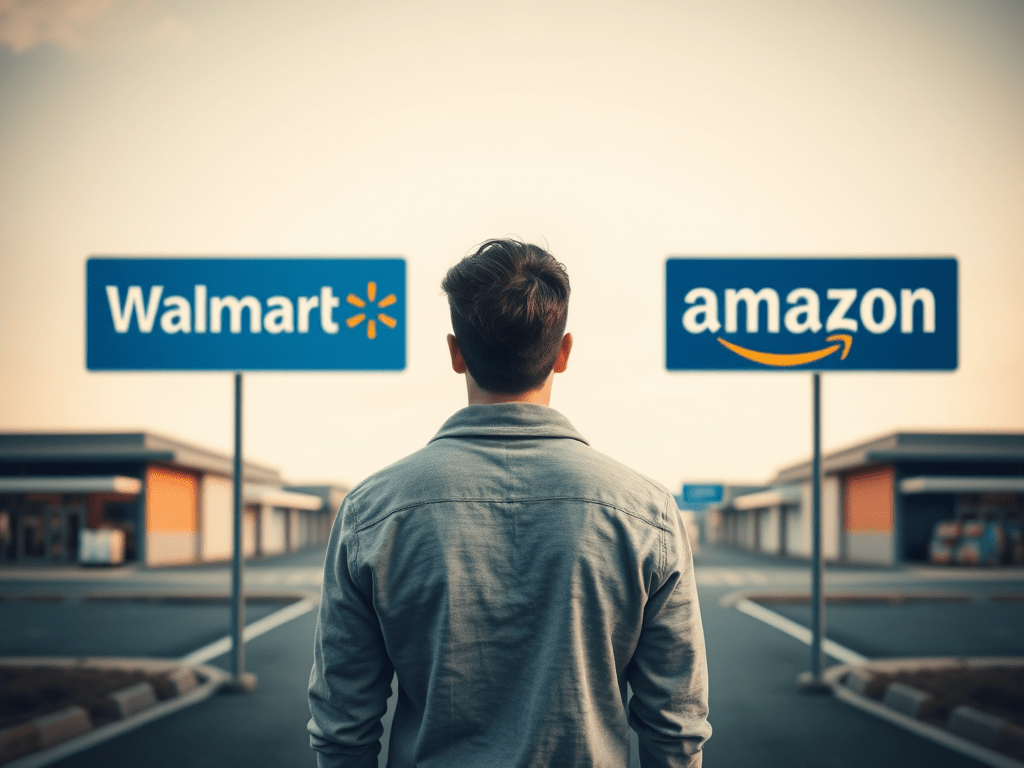
In 2024, I wrote an article about why I was saying goodbye to Walmart, a personal decision that reflected a bigger goal: aligning my dollars with my values. For me and my family, it wasn’t just about shopping anymore; it was about using our purchasing power consciously. Fast forward to today: I needed water filters. Simple enough, right? Except normally, the places I would buy them, Walmart and Amazon, aren’t places I prefer to shop anymore.
You don’t really think about it until it happens. Food? Easy, stores like Safeway, Kroger, and local grocers are competitive enough now. But little things like water filters, electronics, and even certain limited-edition snacks? You’re almost forced to shop at certain big-box retailers because of exclusive licensing deals, wholesale agreements, and strategic partnerships that smaller sellers simply can’t access. It’s not just about price. It’s about availability and control.
And that’s the real trap.
You hear it all the time: “If you don’t like Walmart or Amazon, just shop somewhere else.” Sounds easy enough, right?
But anyone who’s actually tried knows the truth: it’s way harder than it looks.
The reason isn’t because people are lazy, addicted to convenience, or bad at budgeting. It’s because the system is designed to make it almost impossible to walk away clean. Behind the scenes, distribution deals, exclusive packaging, and controlled access quietly lock customers into certain stores, even when they want out.
If you’ve ever wondered why it feels like your choices disappear the minute you boycott a big retailer, here’s the real story.
The Myth of Easy Boycotts
On the surface, it sounds simple: pick a different store, click a different website, right?
The problem is, products themselves are often chained to the very companies you’re trying to leave.
Big-box giants like Walmart, Amazon, and Target aren’t just “retailers.” They’re powerhouses that control access to specific products through special deals you never see. It’s not that alternatives don’t exist, it’s that they’re often blocked, hidden, or made way more expensive.
The system was built to make boycotting feel like swimming upstream. For example, when I went to the direct website brand for my water filters, I was directed to the big box stores that sell them, which is Walmart and Target.
How Big Retailers Lock Down Products
Here’s what most people don’t realize:
Exclusive Licensing Deals: Big stores like Walmart or Amazon cut private deals with brands. In exchange for massive orders and huge marketing exposure, companies agree to only sell certain products, or versions of products, through them.
Special Packaging: Ever notice how something you buy at Walmart looks slightly different than the “same” thing at another store? It’s not your imagination. Companies often create store-specific packaging (sometimes even slightly different formulas or features) to lock it into that retailer’s system.
Guaranteed Volume: Walmart alone moves so much product that brands often can’t afford to say no. That guaranteed volume allows Walmart to squeeze prices down, making it impossible for smaller stores to compete fairly.
Result: Even if you find “the same” product somewhere else, it’s often not exactly the same, or it’s significantly more expensive.
Smaller Sellers Get Shut Out
If you’re hoping to support small businesses instead, here’s what happens:
- No Direct Access: Smaller sellers can’t buy directly from the manufacturer because of exclusive deals.
- Secondhand Inventory: They often have to buy overstock, liquidation, or gray-market goods (which can be riskier).
- Higher Prices: Without the bulk discounts that Walmart and Amazon get, smaller sellers pay more, and so do you.
This isn’t a free market. It’s a controlled market, rigged heavily in favor of the biggest players.
When you try to shop elsewhere, you’re fighting against a machine designed to keep you funneled into specific lanes.
Why Distribution = Control
In retail, distribution is power.
When a handful of mega-retailers control most of the distribution network, they control what you see, what you can buy, and what it costs.
It doesn’t matter if you hate their politics, their labor practices, or their corporate ethics. If they have the distribution rights, you’re forced to choose between:
- Supporting a system you disagree with
- Paying double (or more)
- Doing tons of extra research and work to find trustworthy alternatives
That’s by design. It’s not supposed to be easy to leave.
What This Means for People Who Care
If you’ve struggled to cut ties with companies like Walmart or Amazon, understand this:
- You’re not crazy.
- You’re not lazy.
- You’re not alone.
The frustration you’re feeling isn’t about personal failure. It’s about system design.
Corporations have built invisible walls around everyday products, necessities like water filters, medicine, even baby supplies, so that escaping their ecosystem feels almost impossible without massive sacrifice.
When you care about where your money goes, you’re playing the game on “hard mode.”
What You Can Do
Even if the deck is stacked, you still have moves to make.
1. Support Small Sellers (Carefully): Look for vetted independent sellers on platforms like eBay, Etsy (for handmade or vintage), or niche specialty stores. Read feedback carefully. Look for clear photos, good customer service, and authenticity markers.
2. Learn to Spot the Real Thing: When buying things like filters, electronics, or health products, check for sealed packaging, brand markings, and any signs of tampering. If a deal looks too good to be true, it probably is.
3. Prioritize What Matters Most: You don’t have to be perfect. Start with the products or categories you care most about. Even partial boycotts hurt monopolies over time.
4. Share What You Find: When you find good alternatives, share them with your network. Breaking a monopoly starts with building a better map.
5. Push for Change: Where possible, support policies and movements that fight for fairer distribution rights and real competition.
Every smart purchase, every dollar not fed into the monopoly, makes a difference.
Conclusion: See the Invisible Walls
Boycotting Walmart, Amazon, or any major retailer isn’t just about finding another place to shop. It’s about recognizing the invisible walls that have been built around your choices.
It’s about seeing how licensing deals, exclusive packaging, and distribution control have turned “free market” into a rigged system.
And it’s about refusing to give up, even when it’s hard.
It won’t always be easy.
But it will always be worth it.
 The Broke College Student
Leave a comment