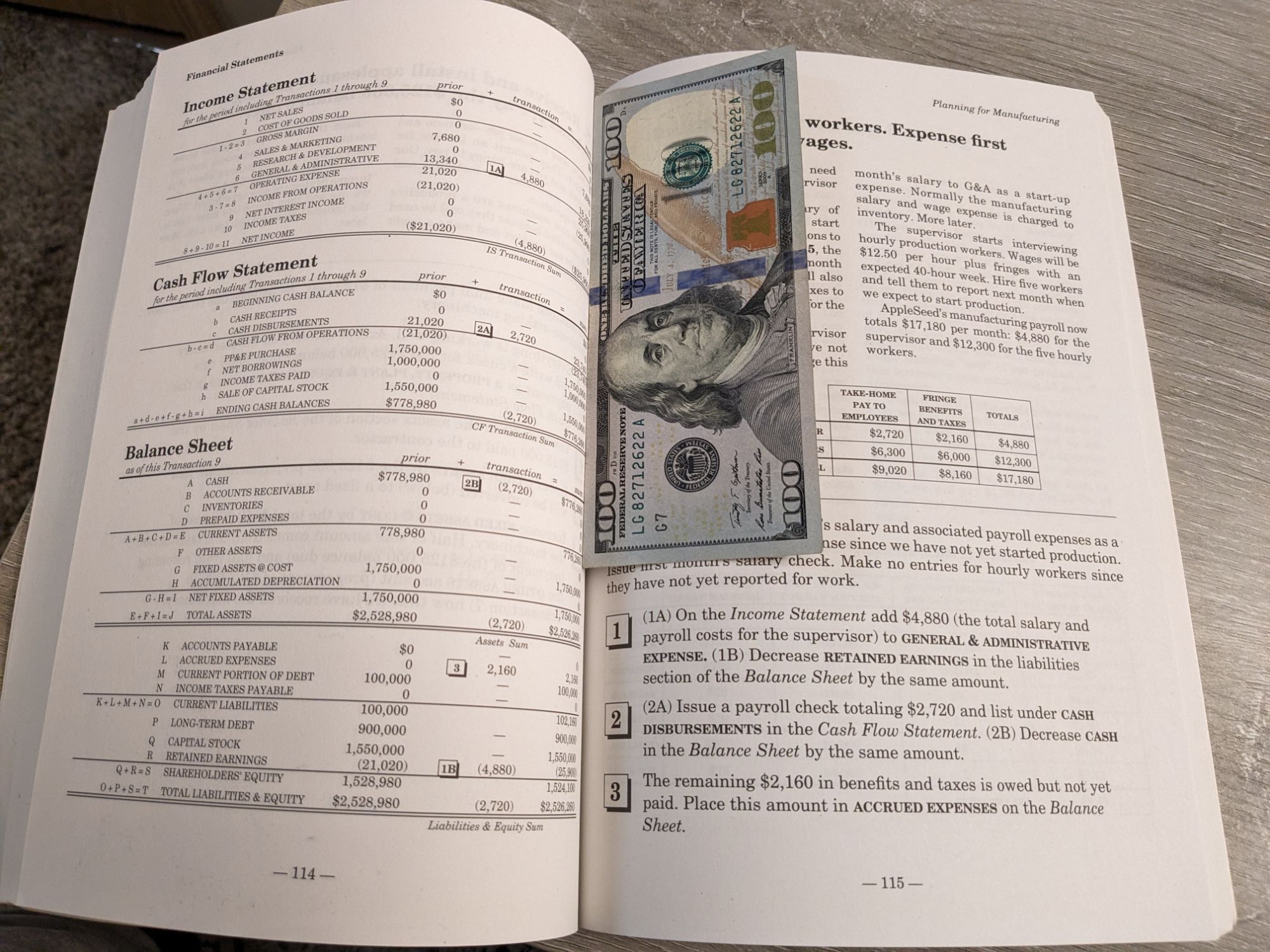

Money is supposed to make us feel secure. That’s the promise, isn’t it?
Get enough, and your worries will disappear. Reach a certain balance, hit the income target, pay off the debt, and poof, the anxiety vanishes.
And yet, for many people, that moment never arrives.
They do all the right things. They earn, save, invest. They hit their goals. And still, late at night, they feel a low hum of dread. Not about something specific, just the unsettling sense that it could all fall apart. That it’s not really enough. That they’re not really safe.
Why?
Why does money anxiety persist, even when the numbers say you’re okay?
To understand that, we have to stop treating money as just math. Because money is never just about money.
It’s about control, worth, fear, hope, and memory. It’s about the stories we’ve absorbed, and the ones we can’t stop replaying.
The Illusion of “Enough”
Most people have a silent number in their head. A number that, if reached, will signal the end of financial worry.
They think, If I just had $X, I could finally relax.
But here’s the trick: the number always moves.
Why?
Because “enough” is not a financial concept. It’s a psychological one.
And if you never address the root of your money anxiety, it doesn’t matter how many zeroes are in your account. You could be a millionaire and still wake up in panic.
In fact, many high-income earners feel just as anxious as those living paycheck to paycheck. The anxiety just shifts. From “Will I make rent?” to “What if I lose everything?”
From “I need to survive” to “I need to protect.”
The worry persists. It just puts on nicer clothes.
Money as a Container for Fear
Money is like a container. And like any container, it gets filled with whatever we pour into it.
For many people, money becomes the holding tank for:
- Their fear of failure
- Their desire for control
- Their shame around past decisions
- Their grief over unmet expectations
- Their belief that they are not allowed to rest
So when they look at their bank account, even when it’s “good” what they’re really seeing is a swirl of unresolved emotion.
And they wonder why they feel anxious.
It’s not the number. It’s the meaning.
Scarcity Isn’t Always Financial
There’s a kind of scarcity that has nothing to do with money.
It’s the scarcity of safety. Of self-worth. Of belonging.
And many of us learned that lesson early.
Maybe you watched your parents argue over money. Or maybe you were told that money was the only path to freedom. Maybe you lived through job loss, housing insecurity, or the quiet humiliation of not being able to afford what your peers had.
Whatever the story, your nervous system remembers.
So even when the threat is gone, when the bills are paid and the fridge is full, your body doesn’t trust it. It’s still bracing for collapse.
This is what makes money anxiety so tricky. It’s not about the present. It’s about the past reaching forward.
The “What If” Economy
Let’s say your income is steady. Your savings are growing. You’re not rich, but you’re okay.
Still, you lie in bed running numbers in your head:
- What if I lose my job?
- What if the market crashes?
- What if I get sick?
- What if my kid needs help and I can’t provide it?
This is what I call the What If Economy.
It’s a mental simulation of future disaster, an endless chain of possible emergencies.
The irony? You might be more anxious now than you were when you were broke.
Back then, you had nothing to lose. Now, you do.
This is the curse of perceived stability. When you have something to protect, your fear intensifies. Anxiety becomes a tax on your prosperity.
The Perfection Trap
Modern personal finance culture doesn’t help.
You’re told to:
- Max out your retirement accounts
- Have six months’ expenses saved
- Never waste a dollar
- Know every interest rate
- Make your money “work for you” 24/7
There’s nothing inherently wrong with these goals. But when they’re presented as moral imperatives, they breed perfectionism.
And perfectionism is anxiety’s best friend.
You start to believe there’s only one right way to “do” money. That any deviation is failure. That if you make the wrong choice, you’ve doomed your future.
That’s an unbearable amount of pressure to place on every dollar.
Money Can’t Give You What You Won’t Let Yourself Have
Here’s the paradox:
Most people want money because they believe it will finally allow them to feel something:
- Safe
- Peaceful
- Worthy
- Free
- Relaxed
But those are emotional states. Not financial ones.
And if you don’t believe you’re allowed to feel them now, you won’t feel them then.
It doesn’t matter if you double your net worth.
It doesn’t matter if you hit every goal.
If peace requires permission, and you’ve never granted yourself that permission, you will carry the anxiety with you no matter how much you earn.
Reframing: From Threat to Relationship
To move through money anxiety, you don’t need to be richer. You need to be re-oriented.
Here are a few guiding shifts.
1. See Money as a Relationship, Not a Scorecard
Stop treating money like a test you’re failing or passing. Think of it more like a relationship, something you’re learning to relate to over time.
Ask:
- How do I speak to money?
- How do I let money speak to me?
- What emotions come up when I interact with it?
This is not soft, abstract thinking. This is emotional literacy, and it changes how you make decisions.
2. Practice “Emotional Audit” Alongside Your Financial One
When you check your account or review your budget, don’t just look at the numbers. Look at your reactions.
Write down:
- What thoughts arise?
- What physical sensations do you notice?
- What memories or stories come to mind?
Then ask: Are these reactions proportional to reality? Or are they echoes from the past?
Over time, this practice weakens anxiety’s grip. You realize the fear isn’t coming from money, it’s being projected onto money.
3. Name the Anxiety, Then Locate Its Opposite
When money anxiety arises, try this exercise:
- Name the fear: “I’m afraid I’ll lose everything.”
- Then ask: What feeling do I wish money could give me right now?
- Answer: “A sense of calm and groundedness.”
Now you have something actionable.
The goal isn’t more money, it’s more calm. That might be achieved through saving. Or it might be achieved by stepping outside, breathing deeply, and reminding yourself of what’s already secure.
Money can support those feelings. But it can’t manufacture them if they’re absent.
4. Practice Enoughness as a Discipline
“Enough” is not a finish line. It’s a skill.
You practice it by declaring moments where you choose peace over optimization. Where you let go of constant striving.
You say:
- “This purchase was good enough.”
- “This income is enough for today.”
- “I could try to make more, but right now, I’ll rest.”
Enoughness is a discipline because the world is built to erode it. Every ad, headline, and algorithm whispers: You’re not there yet.
But you don’t have to believe them.
You can learn to feel full before the glass is overflowing.
Final Thought: Safety Comes from Within
Money is powerful. It can create options, reduce suffering, and fund dreams.
But it cannot give you what you won’t give yourself:
- Permission to rest
- The right to feel secure
- The belief that you are worthy regardless of your balance
That part? That’s your job.
And the good news is: that work pays compound interest too.
 The Broke College Student
Leave a comment