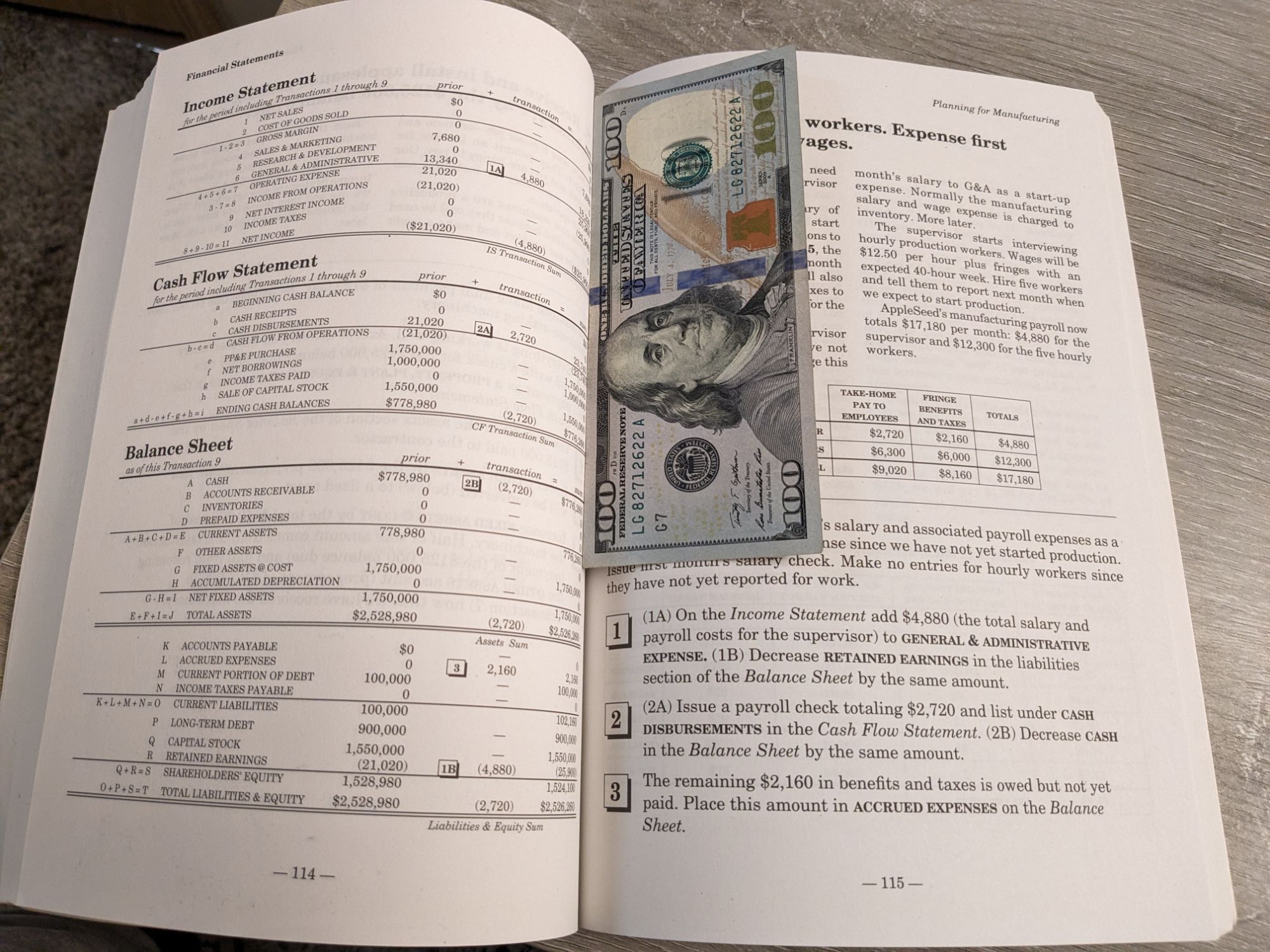

This evening, I put on some music and found myself rereading The Complete Investor by Tren Griffin, a book that distills the wisdom of Charlie Munger through the lens of rational decision-making. In Chapter 4, The Psychology of Human Misjudgment, Griffin brings up one of Munger’s most humbling ideas: the over-optimism tendency.
It hit me harder than expected.
Because this isn’t just some abstract quirk of the human brain. It’s something I’ve lived. It’s something every investor, entrepreneur, and yes, blogger, will have to confront if they want to survive the long game.
Even Kahneman, the Nobel Prize-winning psychologist who made a career out of dissecting human error, wasn’t immune.
When he told fellow behavioral economist Richard Thaler that he planned to finish his book in 18 months, Thaler laughed and said,
“You’ve written about that, haven’t you?”
It took him four years. He called the process “very painful.”
If the guy who wrote the book on irrational thinking still couldn’t predict his own timeline accurately, what chance do the rest of us have?
Turns out: a fighting one. If we’re honest.
Over-Optimism Isn’t Just a Quirk, It’s a Built-In Bias
Munger calls over-optimism one of the deadliest biases in finance. It’s what makes people believe they can beat the market, skip the boring parts, or hit it big with just a few clever moves.
“Even when they know better,” he says, “they still believe they’ll be the exception.”
And that’s exactly how it works when you start a blog, a business, or any long-term project. You picture the momentum coming sooner. The dollars coming faster. The success hitting like it’s supposed to.
And when it doesn’t?
You wonder if you’re doing it wrong. You start comparing. You start doubting.
That’s not a flaw in your ambition, it’s just the bias at work.
Bloggers Fall for It Too (Especially in Competitive Niches)
Today I run this finance blog. The niche is crowded, SEO is competitive, and most people quit early.
However, this isn’t my first blog I have created, and if you’d asked me 8 years ago how long it’d take before I’d start seeing meaningful traction, I probably would’ve said 6 months. Maybe 12. I had the drive, the writing chops, and a lived experience with writing that most people online couldn’t fake.
And yet, I still underestimated how long it would take to see real results.
Why? Because I was optimistic beyond what was rational during a time when desperation was knocking at my front door.
And I’m not alone.
If you go on Reddit, you’ll find bloggers bragging that they got 50,000 monthly views in six months, while others say it took them three years to get a trickle of traffic.
Just like the stock market, the content game is manic:
- Some pages go viral.
- Some take years to index.
- Some never go anywhere, no matter how well-written they are.
The market doesn’t care how much effort you put in.
It moves when it wants to.
Blogging Is a Market (And You’re Competing in It)
That’s why I say blogging has its own market dynamics. And just like with investing, you can’t just copy someone else’s timeline or blueprint.
“Just because another restaurant took six months to succeed,”
I told myself,
“doesn’t mean you’ll succeed in six. But just because someone else took 10 years doesn’t mean you will either.”
In blogging, like investing, the truth lives somewhere in the middle.
The trick is not letting someone else’s curve dictate your expectations.
Because that’s how people sabotage themselves.
- Some blogs make their first dollar in six months.
- Others take two years just to hit AdSense’s $100 minimum payout.
- Some run for 10 years and never make a dime.
The only constant is this:
You will be tempted to quit right before it starts working.
Over-Optimism + Impatience = Burnout
Let me show you how this plays out:
- You launch your blog or your portfolio.
- You post consistently.
- You start watching the analytics (or stock chart) obsessively.
- You imagine a reward timeline, 6 months, maybe 12.
- When that doesn’t happen, your brain says: “See? It’s not working.”
But that’s like planting an apple tree and digging it up every few weeks to check for fruit.
The roots are growing.
You just don’t see it yet.
And that’s where most people fail, not in execution, but in expectation.
They didn’t realize they were building something with a delayed compounding curve.
Blogging and Investing: Two Paths, One Lesson
People often separate creators and investors like they’re in different arenas.
But the truth?
They’re both betting on uncertain outcomes.
They’re both playing long games.
They both require faith, rationality, and an understanding of risk and reward.
The only difference is the asset.
In investing, the asset is capital.
In blogging, the asset is content.
But in both cases, the return curve is exponential, not linear.
And you can’t fake time.
The Blogger’s AdSense Trap (And How It Mirrors the Market)
Take AdSense. A lot of new bloggers get excited when they make their first $1.
But what they forget is:
Google doesn’t pay you until you hit $100.
So maybe it took you six months to get that first click. Great. But now you’ve got another 18 months of slow burn until you get your first payout.
That’s exactly how dividend investing feels in the early days.
- You buy your first blue-chip stock.
- You earn $1.17 in dividends.
- It gets reinvested.
- You’re proud… but your portfolio still looks like a joke on paper.
Until one day, it doesn’t.
And the reason it doesn’t is because you didn’t quit.
The Role of Temperament (And Why It Beats Talent)
Warren Buffett once said:
“The most important quality for an investor is temperament, not intellect.”
Blogging, like investing, rewards those who can sit still.
Not inaction, but faith-driven, strategic consistency.
If you post every week, track your SEO, and keep learning, you’re doing more than 90% of people ever will.
And if you can do it without checking analytics every hour, even better.
Final Thought: The Mango Tree Analogy (And the Market Truth Behind It)
If you remember nothing else from this post, remember this:
Imagine planting a mango tree.
You water it.
You tend to the soil.
You protect it from wind.
You don’t see fruit for the first couple seasons.
But what you don’t see is this:
- The roots are strengthening.
- The trunk is thickening.
- The future yield is compounding.
Then one day, it bears fruit.
Not because you rushed it, but because you didn’t quit.
Blogging is the same.
Investing is the same.
Life, often, is the same.
And I’m starting to see that firsthand.
And that, right there, is the investing principle that most people miss:
When you zoom out on the market over the past 30+ years, you don’t see noise, you see progress.
Sure, there are dips. There are crashes. There are headlines screaming doom.
But what matters isn’t the daily ticker. What matters is the long-term direction.
My blog might not be viral. It might not be flashy.
But it’s alive. It’s growing.
And it’s a digital asset I’m building, one that compounds over time.
Just like wealth.
Just like wisdom.
Just like anything worth keeping.
In summary:
I’m 16 months in. My blog isn’t viral. But it’s alive.
And that means it’s still in the game. Still growing. Still worth it.
Not because I overestimated its potential,
But because I kept showing up, even when it wasn’t optimized for my ego.
That’s the real win.
This blog is read in 50+ countries (and counting). If you’re a student, teacher, or lifelong learner from anywhere in the world, I’m honored you’re here. Economics belongs to all of us
 The Broke College Student
Leave a comment