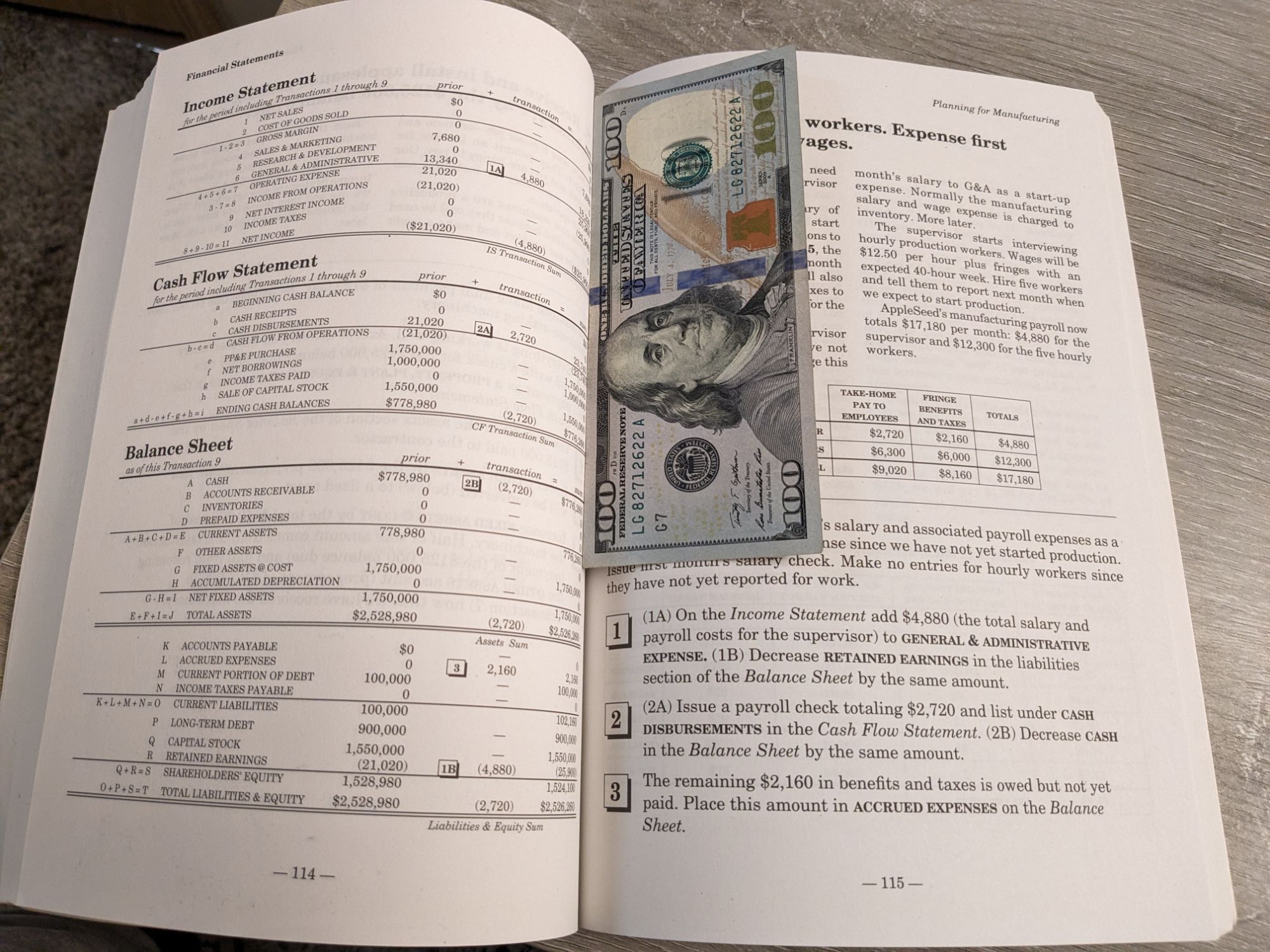

Have you ever sat down to read a book, fully intending to get lost in it, only to slam it shut minutes later, heart racing, body buzzing, attention shattered?
Maybe it’s a textbook, a self-help book, or something you actually want to read. You’ve set the mood: your music is playing, the light is soft, the vibe is right. But just as you begin to dive in, something in you… flinches.
And before you know it, you’re scrolling your phone, reorganizing your desk, staring blankly into space, or giving up entirely.
If that sounds familiar, you’re not broken.
You’re not lazy.
You might just have a dysregulated nervous system trying to protect you from the unfamiliar terrain of peace, presence, or possibility.
Let’s talk about it.
The Hidden Cost of an Unregulated Nervous System
Our ability to focus, study, absorb, and learn depends on one thing most people never talk about: a regulated nervous system.
If your body has been trained by trauma, poverty, chaos, or unpredictability, then entering a state of calm doesn’t feel safe, even if it actually is.
Reading isn’t just a mental activity.
It requires your whole body to slow down and feel safe enough to drop in.
That means:
- Your heart rate lowers
- Your muscles relax
- Your mind becomes curious rather than reactive
- Your threat detection system goes quiet
But if you’ve lived your life in survival mode, those things might not come easily.
Because for survivors, stillness is often the most dangerous feeling of all.
Why Your Body “Freaks Out” When You Try to Focus
This is a truth we don’t talk about enough:
You can’t learn in survival mode.
Your brain prioritizes survival over insight.
So when you try to read, study, or absorb something new, but your body is still on high alert, your nervous system interrupts with:
- Anxiety
- Restlessness
- A sudden urge to “do something else”
- A flood of intrusive thoughts
- Physical discomfort or fidgeting
Your body might literally treat the act of focusing like a threat.
Because for many of us, safety was never quiet.
Quiet meant danger.
Focus meant vulnerability.
And joy or absorption? Those were luxuries that often came with consequences.
Let’s go deeper.
If You Grew Up in Chaos, Your Body Memorized That Pattern
If you grew up in a household where doors slammed, voices yelled, or tragedy lurked around the corner, then your body became an expert at one thing: staying alert.
You learned to scan the room.
To anticipate the next blow, verbal, emotional, or physical.
To stay ready for someone else’s breakdown, neglect, or absence.
So when you sit down in a quiet room now, trying to focus on something gentle, a book, a project, a moment of stillness, your nervous system gets confused. It says:
“Where’s the danger? What did we miss?”
You may not consciously think that, but your body reacts as if you do.
It fidgets, stalls, scrolls, tenses up.
Because somewhere along the line, your body learned:
- Calm is a setup.
- Peace is short-lived.
- Joy is followed by pain.
- Focus is a luxury we can’t afford.
And that pattern didn’t vanish just because your circumstances improved.
The nervous system doesn’t update itself through logic. It updates through felt safety.
From Survival to Legacy: The Psychological Shift of Learning
If you grew up with trauma, neglect, instability, or constant struggle, reading and learning were often tools for escape.
Books were lifelines.
Knowledge was your way out.
Education wasn’t just about expanding your mind, it was about surviving your reality.
But here’s what no one prepares you for:
When you finally escape, your nervous system might not know what to do with peace.
If you’re no longer in crisis mode, but your body still reacts like you are, it can feel strangely disorienting to pick up a book just for curiosity, skill-building, or depth.
You may even feel guilt.
Because reading used to mean:
- “This book might save me.”
Now it means:
- “This book might sharpen me.”
You’re no longer reading to survive.
You’re reading to arrive—and that’s an identity shift that can shake your whole foundation.
And if you’ve always been the one just scraping by, just making it, just holding on, then that shift toward thriving might feel like betrayal. Like, who am I if I’m no longer fighting for my life?
Why It’s Hard to Be a Student Without Nervous System Safety
And not just a student in school, but a student of life, growth, investing, or anything that requires focused energy.
You may find yourself asking:
- “Why do I start strong and then lose focus?”
- “Why do I avoid doing the very thing I say I love?”
- “Why does learning feel like such a fight sometimes?”
Answer: Because becoming a student of legacy, mastery, and depth requires a sense of internal safety many people never learned.
It’s not that you don’t want to learn.
It’s that your nervous system is still guarding the door.
Signs Your Nervous System Is Sabotaging Your Focus
Here are some common signs that your body, not your willpower, is what’s keeping you from sinking in:
- You get anxious or agitated right when you sit down to start reading or studying
- You experience a rush of thoughts like “I should be doing something more productive”
- You physically feel antsy, fidgety, or like you need to move
- You start the task and then suddenly feel tired or overwhelmed
- You abandon it for something “easier,” like scrolling or snacking
- You blame yourself for being “lazy” even though you were excited to start
The truth is, you’re not lazy.
You’re dysregulated,and still adapting to a life where peace, depth, and stability are finally allowed.
Regulating Your Nervous System Before You Learn
If you want to focus, study, or learn in a sustainable way, whether you’re in school, building a business, or self-educating, you need to signal safety to your body first.
Here’s how:
1. Create Ritual, Not Routine
Use consistent cues that tell your body, “Now we’re safe. Now we learn.”
Try:
- A specific scent (candle, oil, etc.)
- A playlist you only use for reading
- A favorite chair or spot you associate with focus
- A phrase like: “This is my time to grow.”
2. Move Before You Sit
Trauma-impacted bodies often need to discharge energy before they can go still.
Try:
- A short walk
- Gentle stretching
- Shaking out your arms and legs for 30 seconds
- Dancing to one song before you open the book
3. Talk to Your Nervous System
Out loud or in your head, say:
- “You’re safe now.”
- “This isn’t a threat.”
- “We’re allowed to focus. Nothing bad will happen if we learn.”
- “This isn’t survival. This is expansion.”
4. Read in Layers, Not Marathons
Instead of diving into an hour-long study session, try:
- Reading one paragraph and pausing
- Taking short notes as you go
- Giving yourself permission to reread and absorb, not rush
5. Reframe the Purpose
Stop asking, “What do I have to get out of this?”
Start asking, “Who am I becoming by sitting with this?”
You Can’t Learn What You Won’t Let Yourself Feel Safe to Hold
The people who struggle to focus the most are often the ones who are doing the bravest psychological work.
Why?
Because they’re not just studying information.
They’re studying while untangling years of shame, trauma, urgency, and invisibility.
They’re not just trying to pass a test.
They’re trying to prove to their body: We don’t have to be afraid anymore.
So if you find yourself slamming the book shut, panicking when things get quiet, or giving up halfway through a learning session, pause.
Then say this:
“This isn’t resistance.
This is my nervous system adjusting to a life it was never taught to expect.”
Final Words: You’re Not Behind, You’re Becoming
It’s not easy to transition from:
- Learning to escape → to learning to refine
- Reading for survival → to reading for sovereignty
- Urgency → to legacy
But that’s what you’re doing.
And if your nervous system needs time to catch up?
Let it.
Because someday soon, you’ll sit down to read… and instead of panic, your body will sigh.
You’ll turn the page not to escape, but to expand.
And you’ll realize:
“I’m not just a student anymore.
I’m becoming the person I once read books to become.”
This blog is read in 50+ countries (and counting). If you’re a student, teacher, or lifelong learner from anywhere in the world, I’m honored you’re here. Economics belongs to all of us.
 The Broke College Student
Leave a comment