Success Isn’t Baked, It Emerges
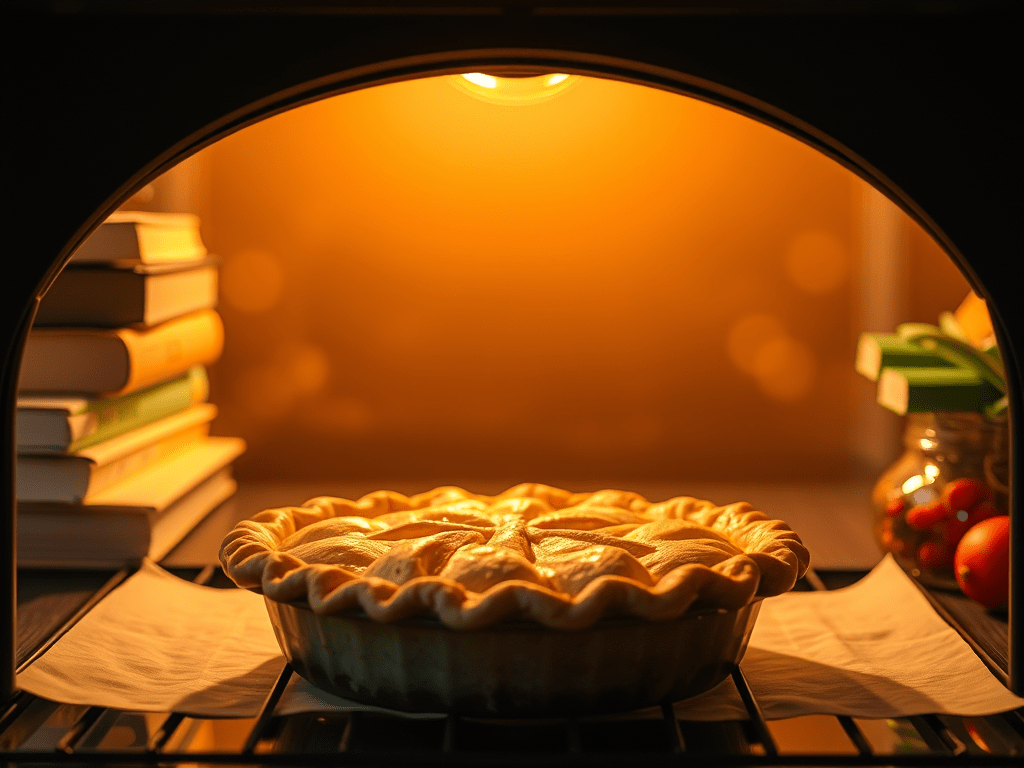
Joshua Kennon, a finance writer and investor, once wrote something that changed how I look at life: “You cannot bake a pie. A pie is a byproduct.”
At first, it sounds confusing. Of course you bake a pie, right? But he’s right, you don’t create the pie directly. You mix flour, sugar, butter, and fruit. You set the oven. You follow steps. The pie shows up as the result of the process, not from wishing, hoping, or skipping steps.
That one analogy stopped me in my tracks. Because I realized: success in any area, money, health, art, or career, isn’t a single event. It’s a byproduct.
And when I read Darren Hardy’s book The Compound Effect, the picture became even clearer. Hardy lays it out plainly: small, repeated actions, performed consistently over time, multiply into results that look massive in hindsight.
The pie and the compound effect are two sides of the same truth. Success is always the result of compounding efforts, success, and habits, not from shortcuts, windfalls, or big breaks.
The Myth of the Big Break
Most people secretly believe in the Big Break.
- They imagine one viral post will make their art career.
- One promotion will solve all their financial stress.
- One 90-day challenge will fix decades of health habits.
- One stock pick will make them rich.
But here’s the reality: big breaks almost never change a life unless the foundation has already been laid. Even lottery winners prove the point; most are broke again within a few years, because the habits of building, compounding, and maintaining weren’t in place.
I know people who won’t invest a single dime in the market but will buy lotto tickets every week. They’re not lazy, they’re just clinging to the fantasy of instant transformation. I know people who say they have no regrets financially, even while living on a fixed income that keeps them stressed every month. They’ll swear they “don’t want to be wealthy,” but they’ll still spend money chasing the chance of becoming wealthy through luck.
The Big Break is tempting because it feels easier than discipline. But discipline is what creates stability. The break, if it comes, is just a spotlight; it doesn’t replace the work.
Compounding Efforts: The Real Engine of Success
Compounding is usually explained in finance. If you invest $100 and earn 10%, you now have $110. Next year, you earn interest not just on the $100, but on the $110. Over decades, that snowball gets enormous.
But compounding isn’t just money. It’s universal.
- Habits compound. Eat one healthy meal, nothing changes. Eat a thousand over years, and your body transforms.
- Relationships compound. Check in on someone regularly, and trust builds. Ignore them for months, and the connection fades.
- Skills compound. Write one blog post, no one notices. Write 300, and suddenly people call you a “writer.”
Every choice is a deposit. Every habit is a compounding investment in your future self.
Why Shortcuts Don’t Work
I’ve seen this up close.
We all know someone who goes all in with challenges, fad diets, 90-day investing sprints, total life overhauls. And for a while, it looks impressive. But once the challenge ends, the old habits return. Why? Because the system wasn’t built. They were sprinting without laying the foundation for compounding.
And we all know an artist who waits for the “big break”, the right collector, the right gallery, the one opportunity that will finally make their career financially free. I know this because I was that artist. I created, I shared, I dreamed of the one moment that would lift everything at once. But that moment never came the way I imagined. It was only when I stopped waiting for the break and started compounding daily efforts that things actually began to change.
Both patterns show the same trap: shortcuts can give a temporary rush, but they don’t sustain. Compounding habits look boring in the moment, but they quietly build something permanent.
Conscious vs. Unconscious Compounding
Here’s the catch: everyone is compounding, whether they realize it or not.
- If you eat fast food every day, you’re compounding debt in your health.
- If you spend impulsively, you’re compounding financial instability.
- If you ignore your craft, you’re compounding mediocrity.
That’s unconscious compounding. The math works the same, it just works against you.
The goal is to move into conscious compounding, to deliberately choose small habits that align with the life you want. That way, every day, every action, every choice is a brick in a structure you’re intentionally building.
My Own Proof: The Blog Byproduct
People look at my blog now and see a global audience. They don’t see the early days when only one or two people read what I wrote. They don’t see the drafts that never got published, the nights of doubt, the days I thought no one would care.
They see the “pie,” but they don’t see the ingredients: 390+ posts, written consistently over time.
The blog isn’t something I made directly, it’s the byproduct of compounding habits. Of showing up. Of stacking posts, refining ideas, linking articles, and trusting the process.
And that’s the same story as investing, health, or art. You don’t make the result. You make the steps. The result emerges.
The Lottery vs. The Ledger
If you want to see the contrast between shortcuts and compounding, compare the lotto ticket to the investment ledger.
- A lotto ticket is all-or-nothing. You spend, you hope, and 99.9% of the time you lose. Even if you win, it’s luck, not something you can repeat.
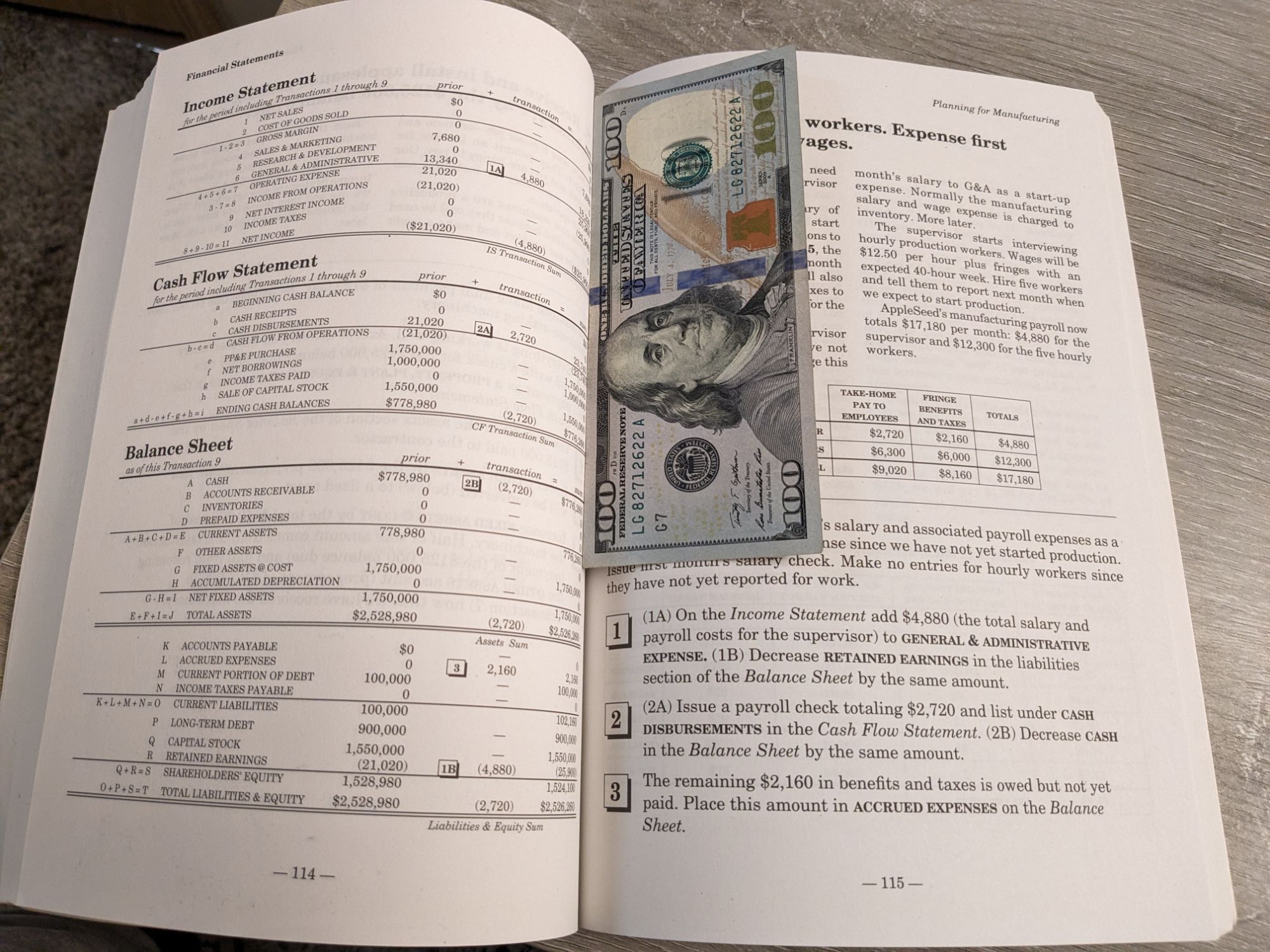
- An investment ledger shows deposits, dividends, reinvestments, and growth over time. It looks boring, but it builds real wealth you can trust.
The lotto mentality shows up in careers, diets, and art just as much as in casinos. The ledger mentality shows up in daily effort, systems, and habits. One is luck. The other is math.
Takeaway: Build the Byproduct
Joshua Kennon’s pie. Darren Hardy’s compound effect. My own blog. Your own habits. They all say the same thing:
You don’t get success. You build systems, and success is the byproduct.
The sooner you let go of the fantasy of the Big Break, the sooner you can get to work on the small, boring, daily actions that actually build the life you want.
- Want financial freedom? Invest regularly, no matter how small the amount.
- Want health? Move daily, eat intentionally.
- Want career growth? Build skills, projects, relationships.
- Want art to pay off? Keep producing, keep sharing, keep refining.
It’s not glamorous, but it works. And over time, compounding habits turn into compounded success.
So stop chasing the lotto ticket, and start filling the ledger. Stop waiting for the pie, and start putting the ingredients together. Because the pie is always the byproduct.
This blog is read in 50+ countries (and counting). If you’re a student, teacher, or lifelong learner from anywhere in the world, I’m honored you’re here. Economics belongs to all of us.


Leave a comment