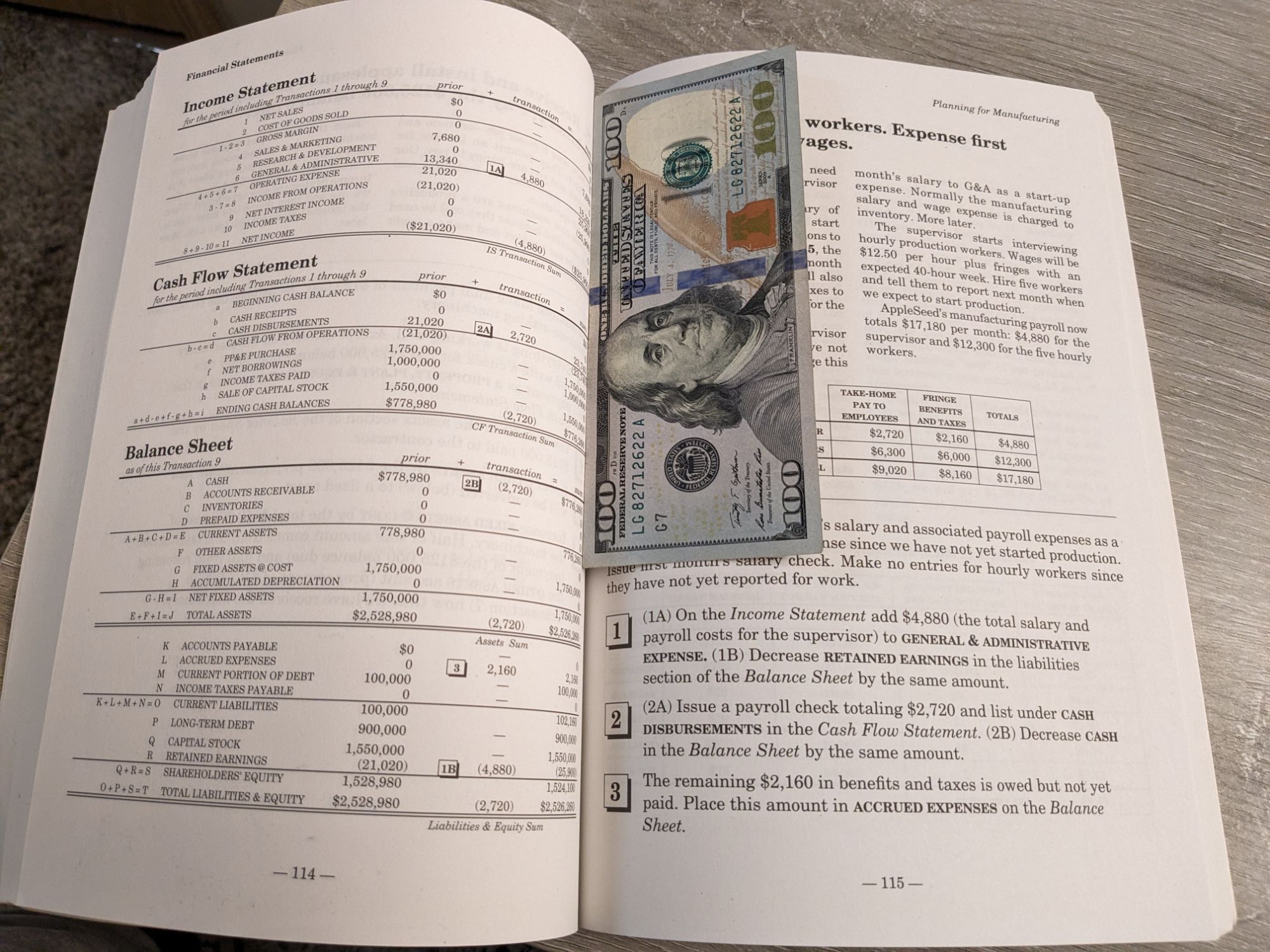

What People See vs. What Built It
From the outside, people sometimes assume I have it all together. They see my straight A’s as a student. They see my global blog that reaches readers in dozens of countries. They hear that I have an investment fund. And the conclusion they jump to is: That I’m well off. I’m not worried. I have figured it all out.
But what they don’t see is the long, invisible road that came before those results. They don’t see the fear I felt when I thought about investing my very first dollar in the stock market. They don’t see the years I spent studying before I ever had the courage to put real money in. They don’t see the mistakes, the false starts, or the hours I put in with no guarantee of payoff.
What people see is the byproduct. What built it was something else entirely: frameworks, habits, and compounding efforts.
Remembering the Fear of the First Dollar
I sometimes forget what it was like to be scared of investing, because this has been my life for the better part of the last decade. But I was once terrified to put even $1 into the market.
I had dabbled before, $20 here or there, not making much, not really understanding what I was doing. That early taste made me realize: if I wanted wealth, not just “getting rich quick,” I needed to understand this properly.
So I went looking for knowledge. For two years, I read Joshua Kennon’s blog from front to back, back to front. I absorbed everything. I studied not only investing but also habits, psychology, and systems of wealth from various writers and youtubers and then applied them to my own life over time
By the time 2020 came, and the market started bleeding, I was ready. I finally put skin in the game. And yes, it was scary. But it wasn’t reckless. It was the result of years of preparation.
That’s what most people miss. They see me invest $5, $50, or $100 today and think: That’s easy for you. But they don’t realize I had to study, doubt myself, and build courage for years to get to the point where $100 feels natural, not terrifying.
The Rare Collective
I’ve come to realize I’m in a rare collective of people who come across certain frameworks, writers like Joshua Kennon, books like Darren Hardy’s The Compound Effect. Most people never read them. Most people never build their lives around those ideas.
And so I sometimes forget. I forget that not everyone has the background I’ve built. I forget that not everyone reads the books I read, or studies finance late at night, or creates frameworks to guide their decisions. Everyone is on a different journey, at a different pace.
That’s why I try to be mindful when I talk about money. Because for someone who has never invested, hearing “I put $5 in the market today after waking up ” might sound intimidating. They don’t know the years of groundwork that made that possible. They only see the outcome.
Byproducts vs. Efforts
Joshua Kennon once wrote, “You cannot bake a pie. A pie is a byproduct.”
That line became one of the cornerstones of my thinking. You don’t make the pie directly, you gather ingredients, follow steps, apply heat. The pie emerges as the result of the process.
It’s the same with success. People see the pie, but not the ingredients. They see the byproduct, not the efforts.
And when I read Darren Hardy’s The Compound Effect, it locked the lesson in place. Hardy’s message is simple but life-changing: small, consistent actions, repeated over time, create massive results. The compounding is invisible at first, then unstoppable later.
That’s why people look at me now and think I “have it together.” What they’re really seeing is the byproduct of compounding habits. The daily studying, the late-night writing, the small investments, the consistent discipline, they add up. Over time, they produce results that look magical. But the magic is just math and time.
Frameworks That Guide Me
I like to create frameworks for my life, almost like invisible guardrails that keep me aligned. One of the frameworks that’s shaped my life the most comes from Isaac Newton. He wrote about the Law of Inertia, the idea that an object in motion will stay in motion unless acted upon by an external force.
For most people, that’s just physics. But for me, it became a philosophy for how to build a life.
During the pandemic, I thought a lot about Newton. He lived through his own version of lockdown, isolated for over a year during the Great Plague. And in that time of stillness, he had some of his greatest breakthroughs. He didn’t stop moving intellectually. He let inertia work in his favor.
That clicked for me. I realized my life was the same way. If I could get my own goals into motion, studying, investing, writing, taking care of my health, then inertia would carry me forward as long as I didn’t let external forces derail me.
- In finance, inertia means consistent investing. Even if it’s just $5, that motion keeps building. The external force might be unnecessary spending that eats into those contributions.
- In health, inertia means showing up for walks, workouts, and better meals. The external force is the temptation that stops progress, a dessert bomb, a skipped week of activity.
- In academics, inertia means daily study habits, finishing papers on time, asking better questions. The external force is procrastination or burnout.
The Law of Inertia reminded me that momentum is fragile at the start but powerful once it’s established. The hardest part is getting something into motion. After that, it begins to carry itself.
That’s why I think of my life in frameworks. They keep me grounded, and they remind me that time and habit are my allies. As long as I stay in motion and guard against the forces that pull me off track, inertia will keep me compounding.
The External Forces We All Face
The truth is, external forces show up in everyone’s life.
Sometimes it’s money you didn’t plan to spend, a splurge that wipes out a week of careful saving. Sometimes it’s distraction, binge-watching a show instead of finishing the project you promised yourself you’d complete. Sometimes it’s inconsistency, showing up strong for a month and then vanishing from your own goals for the next three.
These moments might feel small, but they’re powerful. They act like friction against your inertia. They interrupt the compounding process.
The people who seem to keep building, whether in money, health, or craft, aren’t the ones who never get distracted. They’re the ones who notice the external forces and learn how to limit their power.
What People See vs. What Built It
This is the gap I keep circling back to. People see the byproduct, the pie, the blog, the investment account, the grades. And they assume it means I was handed something, or that it came easily, or that I just “have it together.”
But what actually built it was:
- Reading and studying for years before ever investing seriously.
- Writing hundreds of blog posts before anyone was reading.
- Compounding small investments, sometimes as little as $5, consistently.
- Protecting my inertia by avoiding the external forces that could derail me.
That’s the real story. That’s what success looks like up close. Not glamorous. Not overnight. Just frameworks, habits, and time.
Takeaway: Skin in the Game
The truth is, success will always look like magic from the outside. But on the inside, it looks like compounding.
It looks like having skin in the game, taking that first terrifying step into the market, even if it’s just $1. It looks like studying when no one else is watching. It looks like putting effort into motion and protecting it from external forces.
Kennon’s pie. Hardy’s compound effect. Newton’s law of inertia. My own life. They all say the same thing:
You don’t get success. You put success into motion. And over time, success compounds.
So the next time you catch yourself envying someone who seems to “have it all together,” remember: what you’re seeing is the byproduct. The question is, are you willing to put in the daily, boring, invisible work that makes the byproduct possible?
Because compounding only works for the people who start.
Listen to an audio version of this article for free – The Invisible Effort Behind Visible Success. People often mistake outward achievements, grades, blogs, investments, as signs of effortless success, overlooking the years of study, fear, and small consistent actions that built them. True progress comes from habits, frameworks, and compounding effort, much like Newton’s inertia.
This blog is read in 50+ countries (and counting). If you’re a student, teacher, or lifelong learner from anywhere in the world, I’m honored you’re here. Economics belongs to all of us.
 The Broke College Student
Leave a comment