Trade deficits are one of those economic topics that often make headlines but don’t always get the attention they deserve. A trade deficit occurs when a country imports more goods and services than it exports. It’s a situation that might sound bad at first, but in reality, it’s a lot more complicated than just a... Continue Reading →
Stagflation 101: When Inflation and Unemployment Rise Together
Stagflation is one of those rare economic conditions that can make your head spin. It combines the worst of both worlds, high inflation (prices rising) and high unemployment (people losing jobs), at the same time. You might be wondering how that's even possible. Usually, when inflation rises, unemployment tends to drop because people are spending... Continue Reading →
Unemployment 101: Different Types, Causes, and What It Means for the Economy
Unemployment is a topic that hits close to home for many people, especially when the economy is struggling. We hear about it often on the news, how many people are out of work, how many jobs were created, and what that means for the country’s economy. But do you really understand what unemployment is and... Continue Reading →
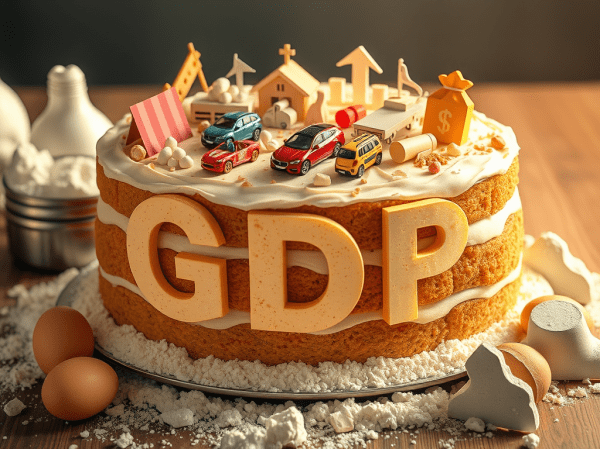
GDP 101: What It Is, How It’s Measured, and Why It Matters
Ever hear people talking about “GDP” in the news and wonder what that actually means? It’s a buzzword tossed around by politicians and economists alike, but it’s not just some abstract number, it tells us a lot about how well a country’s economy is doing. In this article, we’ll break down: What GDP is and... Continue Reading →
Fiscal Policy 101: How Governments Use Taxes and Spending to Manage the Economy
Ever wondered why the government spends money on big projects like building roads, or why they raise taxes sometimes? The answer lies in fiscal policy, how governments use their money and taxes to keep the economy running smoothly. Fiscal policy might sound complicated, but it affects everything from your paycheck to the price of goods... Continue Reading →
Monetary Policy 101: How the Fed Controls Inflation and the Economy
Ever wondered why the price of your morning coffee rises when the economy isn’t doing so great, or why your bank’s interest rates go up when inflation is high? The answer lies in monetary policy, a tool the Federal Reserve (the Fed) uses to manage the economy. It’s not just a buzzword in economic circles;... Continue Reading →
Supply and Demand 101: The Backbone of Economics and How It Shapes Your Life
Supply and demand drive everything in the economy, from the price of your morning coffee to how much you pay for rent. Understanding this fundamental concept helps explain why prices rise and fall and how businesses and consumers make decisions. Let’s break it down in a simple, clear way. What Is Supply and Demand? Supply... Continue Reading →
Economic Cycles 101: What They Are, How They Work, and Why They Matter
The economy doesn’t move in a straight line, it moves in cycles. Sometimes everything is booming, and jobs are easy to find. Other times, businesses close, and people struggle to make ends meet. These ups and downs follow a pattern called the economic cycle. Let’s break down how these cycles work, what causes them, and... Continue Reading →
Deflation 101: What It Is, Why It Happens, and How It Affects the Economy
Most people worry about rising prices, but what happens when prices drop? That’s called deflation. While lower prices might sound like a good thing, deflation can actually signal deeper economic problems. Let’s break down what deflation is, why it happens, and how it affects the economy. What Is Deflation? Deflation is the opposite of inflation.... Continue Reading →
Recessions 101: What They Are, Why They Happen, and How They Impact You
You’ve probably heard the word “recession” thrown around in the news, especially when the economy starts slowing down. But what exactly is a recession? Why do they happen? And more importantly, how do they affect your daily life? Let’s break it all down in simple terms. What Is a Recession? A recession is a significant... Continue Reading →